Jean Rhys's Wide Sargasso Sea (André Deutsch, 1966) is the prequel that behaves like a rebuttal: it enters Charlotte Brontë's Jane Eyre (1847) through the attic and reassigns the guilt. The verdict of this rereading is that the novel earns its freedom not by correcting Brontë but by refusing the older book's moral physics — the madwoman is not explained away, she is introduced — and the prequel, executed at this level, is not an accessory to a classic but a hostile art form, the best kind.
Wide Sargasso Sea · Jean Rhys · André Deutsch (1966) · novel
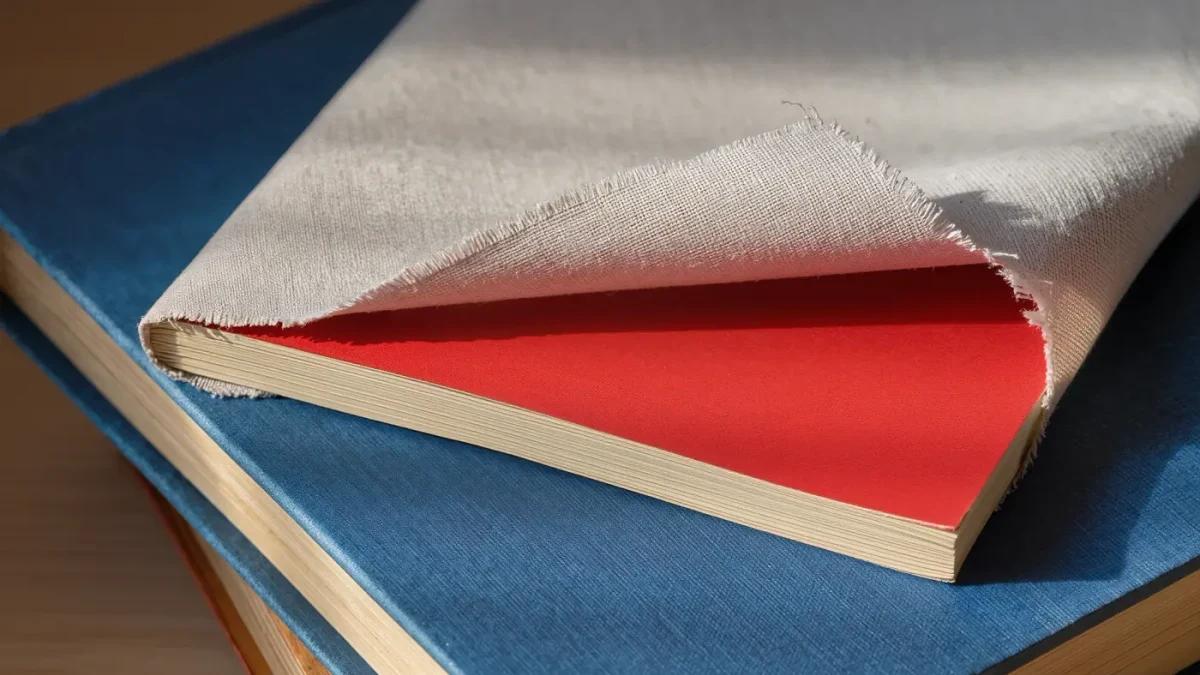
The publishing history is its own parable. Rhys, born in Dominica in 1890, had published four novels and a story collection between 1927 and 1939 and then gone silent for twenty-seven years, supporting herself in obscurity while the book about Brontë's Bertha grew and refused to finish. Wide Sargasso Sea arrived in 1966 to startled acclaim, won the W H Smith Literary Award in 1967, and carried a jacket anecdote that belongs to the novel's meaning: the first cover alarmed the W H Smith chain so badly, as André Deutsch's editor Diana Athill later recorded, that the book was supplied to the trade in a plain wrapper — the fire sold inside a green bag. Rhys was seventy-six. The wild book in the quiet wrapping is the plot in miniature.
What does the prequel take from Jane Eyre?
Its ending, which is the one asset a prequel cannot refuse. The reader arrives knowing that the Creole heiress will be renamed Bertha, shipped to England, and shut above the stairs of a house called Thornfield; every scene of the first part — Coulibri Estate after emancipation, the ruined Cosways, the marriage arranged as a transaction — plays under that knowledge, and the novel's loveliest passages arrive pre-priced. Rhys accepted the arrangement and made it her engine.
The inheritance is managed with cold precision. The husband is never named in Rhys's text, though every reader supplies the name; Grace Poole returns as the attic's keeper with a wage and a flask; Brontë's plot is treated as a set of coordinates to be reached, not revised. The genius of the borrowing is economic. Where Jane Eyre pays the West Indies as dowry and fire — money in, arson out — Wide Sargasso Sea itemizes the account: a colony after emancipation, white Creoles despised above and below, a marriage purchased because a brother needed the money, and a renaming that functions exactly as possession always has, by replacing the name with the owner's convenience.
Related stories: One Wednesday, Struck Twelve: Mrs Dalloway and the Single Day · The Built Room: A Room of One's Own as Argument.
Where does Wide Sargasso Sea exceed its source?
In voice and in climate. Rhys writes the Caribbean the way the English novel was taught to write England — weather, money, fear, and speech fused into one substance — and she grants the madwoman what the original never owed her: an interior, a childhood, a politics, and a grievance with referents. Antoinette Cosway is not a secret explained; she is a person introduced, and the introduction is the argument.
The novel's finest pages belong to that argument. Christophine, the Martinique-born obeah woman who tells the unnamed husband the truth about himself in a speech no Brontë character was ever permitted, remains one of postwar fiction's great moral instruments — free where everyone else is bought, literal where everyone else is gothic. Antoinette's insistence to her husband that there is always the other side, always, is the book's whole method compressed into a sentence. And the recurring dream — a girl in a red dress moving through a forest without light, three times across the book, the last time ending in a house of cards and flames — does what prequels are not supposed to do: it converts a piece of another author's furniture into private prophecy, so that the fire at Thornfield becomes the only act in the English novel that was ever fully Antoinette's own.
Is the prequel a free form or a cage?
Both, and the tension is the design. The fixed terminus converts plot into fate, which is the tragic engine Rhys wants; the same terminus tempts every prequel toward servitude, each scene shriveling into explanation of the attic. The novel's weaknesses are the costs of that engine, honestly paid. Part Two, told in the husband's voice, occupies the center of the book at a length that reads as theft — until the theft registers as the point, the colonizer awarded the narrative's middle and using it to become smaller.
Part Three, back in England, is brief to the point of vapor: the attic, Grace Poole, the red dress that smells of hibiscus, the candle carried down a dark passage toward the known end. Rereading, the compression looks like mercy extended to the reader rather than the character, since what is coming has been coming since 1847. That is the synthesis Rhys achieved and her many imitators missed: the prequel gains freedom not by escaping the source but by judging it — accepting every fact of Brontë's plot and reversing the moral charge inside it. Anniversary essays of the sort gathered by BBC Culture still return to it as the founding case of the postcolonial reply. Jane Eyre keeps its plain heroine, its Byronic hero, its providence. Wide Sargasso Sea keeps the fire and the bill. Sixty years on, the plain wrapper is off, and what W H Smith feared was not the flames on the jacket but the fact that the flames had an address.