Art News
Heavy Volumes: Inside Art Book Publishing
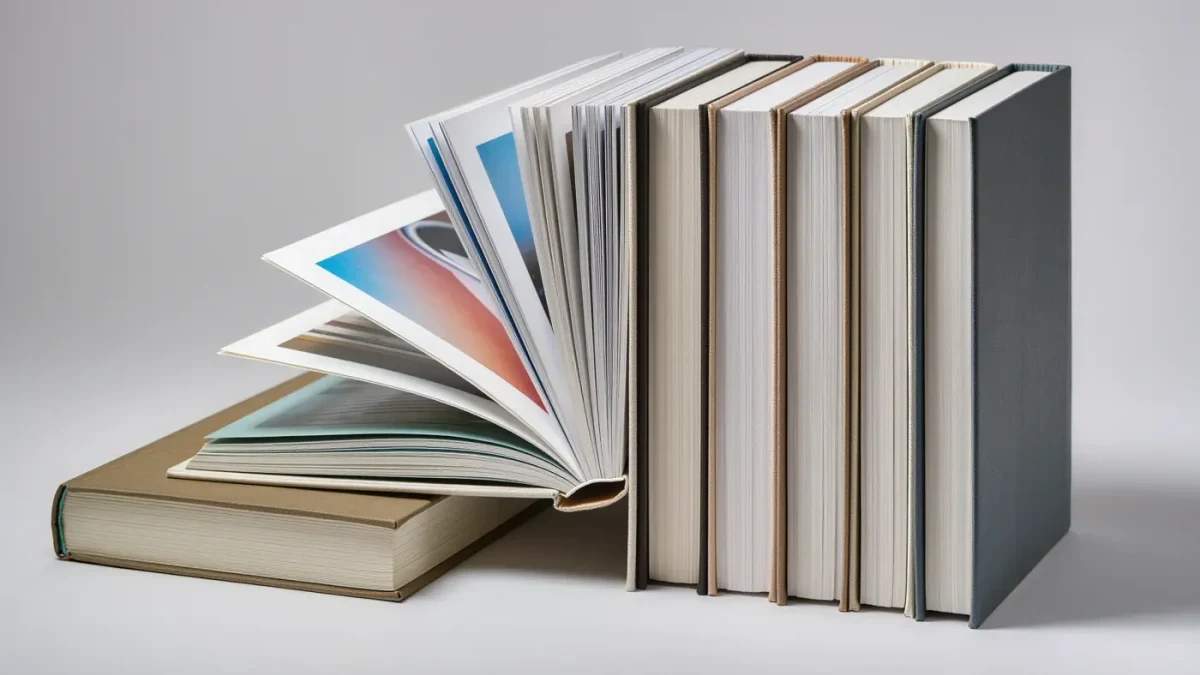
Art book publishing rests on three houses — Taschen, Phaidon and Abrams — and an economics of image rights, heavy printing and long backlists.
The trade beneath literary culture: bookseller margins, wholesale discount structures, print run and paper costs, rights and translation sales, returns, and the earnings of a mid-list title. Sources are named where possible. For booksellers, publishers and readers curious about who profits from a book.
The trade beneath literary culture: bookseller margins, wholesale discount structures, print run and paper costs, rights and translation sales, returns, and the earnings of a mid-list title. Sources are named where possible. For booksellers, publishers and readers curious about who profits from a book.
Art book publishing rests on three houses — Taschen, Phaidon and Abrams — and an economics of image rights, heavy printing and long backlists.
Digitized manuscripts, from the Met's CC0 images to DigiVatLib and Gallica, have redrawn access to the medieval page — with real limits.

The artist's book treats the bound object itself as the artwork — a genre codified by Ed Ruscha in 1963 and collected by Tate and MoMA.