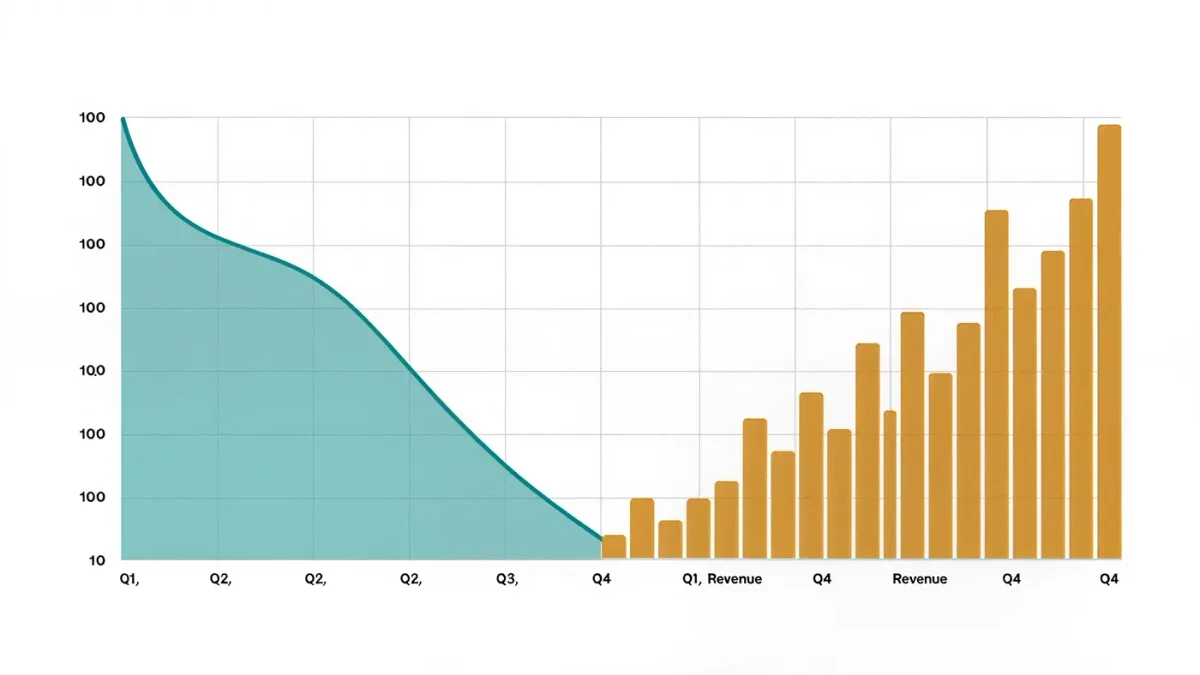
The audiobook decade is the stretch of consecutive growth years in which downloadable audio went from niche format to a core pillar of trade publishing. Per industry data reported by the Publishers Association in the UK and the Association of American Publishers in the US, audiobook revenue grew at double-digit rates year after year — a run that no other major format matched over the same period.
How fast did audiobooks actually grow?
Fast enough, and long enough, to change publishing's structure. Trade groups on both sides of the Atlantic reported year after year of double-digit audiobook revenue growth across the late 2010s and beyond, while print held broadly steady and ebooks drifted sideways. Downloadable audio became the industry's clearest growth story.
Both trade bodies publish annual surveys, and their shared finding — sustained double-digit revenue growth, repeatedly, across reporting years — became the format's signature statistic. Exact percentages vary by market and by year; the consistency is the point. No survey in the period showed the direction of travel reversing.
The pattern held across both markets with local variations. In the UK, the Publishers Association's annual reporting made audio a standing highlight of its year-end numbers; in the US, the Association of American Publishers' StatShot surveys told the same story from the other side of the Atlantic. When two trade bodies with different methodologies keep reaching the same conclusion for years running, the conclusion stops being a data point and starts being the market's working description of itself.
The growth came off a small base, which is worth remembering: percentages flatter formats with room to run. But the compounding mattered. A format that had been an afterthought of the cassette era attracted dedicated imprints, original productions, and full production budgets, and the revenue base grew large enough that audio decisions shape acquisition strategy at major houses.
Who are the major players in audiobooks?
Audible, Amazon's audio division, built the category's infrastructure and remains its dominant storefront. The competitive twist of recent years is Spotify, which began bundling audiobook listening hours into its premium subscriptions — turning audiobooks into a perk for existing music subscribers rather than a separate purchase decision.
The result is two competing logics. Audible's catalog-and-credit model treats audio as a destination; Spotify's bundle treats it as an added feature of an entertainment subscription, along the lines of what streaming did to music and video. Publishers, meanwhile, license rights into both and watch the per-listen economics closely; streaming moves in audio are followed by outlets including Reuters.
Libraries are the quiet third player. Digital library borrowing of audiobooks grew alongside retail, with public library apps becoming a primary listening channel for budget-minded readers and holds on popular audio titles running long. For publishers, library licensing is revenue on different terms; for listeners, it is the cheapest full-access experience in media — which is one reason audio habits, once formed, tend to stick.
Which genres drove the growth?
Fiction led, and within it the categories with long books and devoted readers: fantasy, romance, and thrillers, where listening hours stack up quickly and readers consume many titles a year. Memoir and self-help followed, boosted by authors narrating their own work — a performer's voice turning advice and confession into intimate audio.
Author-read memoirs became the format's prestige corner, the audio equivalent of a signed edition, and full-cast productions of fantasy series gave listeners reasons to prefer audio to print. Children's audio grew with family listening. The pattern across all of it: the more a book benefits from being performed, the better it did in audio — which is why the format's strength is strongest exactly where the ebook business is weakest.
Why did audio grow while ebooks stalled?
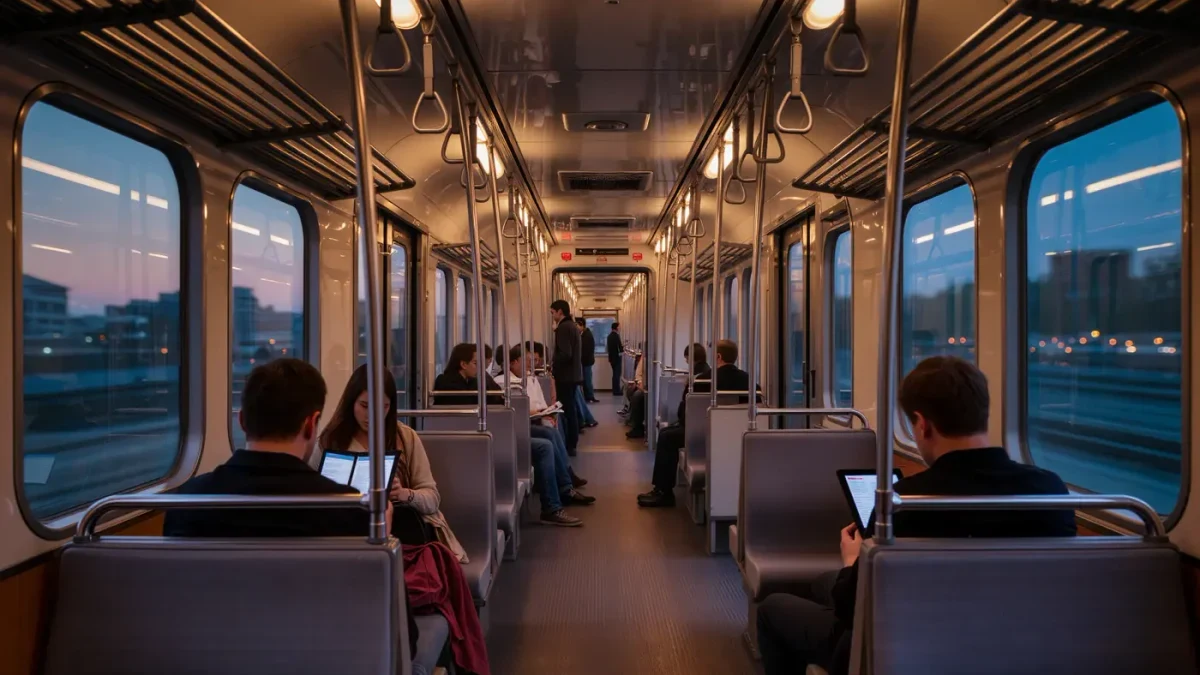
Because audio competes with dead time, not with other books. Commutes, chores, workouts, and dog walks cannot host reading but can host listening, so audio expanded the total hours available for books instead of fighting print and ebooks for the same hours. It is an additive format in a business that rarely gets them.
Execution completed the argument. Smartphones dissolved the need for dedicated devices, and the production bar rose accordingly: celebrity narration, full-cast recordings, and sound-designed originals turned the format into premium product rather than a robotic convenience read. Podcasts deserve part of the credit too — a decade of serialized audio trained ears to treat listening as a primary way to consume long-form storytelling, and books were the natural beneficiary.
Where are the limits of audiobook growth?
Production cost, catalog depth, and royalty economics. A finished audiobook requires narration, studio time, and mastering before a single copy sells, so the format skews toward likely winners and the long tail lags far behind print. Subscription bundles, meanwhile, press down per-listen payouts — the same tension that reshaped music streaming.
The other limit is contested: machine narration. Synthetic voices promise to make audio production nearly free, extending the format to books that could never justify a studio budget — and the professional narrator community has pushed back hard, arguing that performance is the product. How that dispute resolves will do as much to set the format's ceiling as any subscription bundle.
What do the numbers mean for readers?
More catalog, better productions, and more ways to pay — but also a format divide. Books that get audio editions get marketing muscle and a parallel audience; books that do not become invisible to the listening public, and that public keeps growing. The decision to produce audio has become a publishing strategy, not an afterthought.
For listeners, the practical upshot is leverage. Retailers, subscription services, and libraries compete on catalog and convenience, which has kept experimentation lively — from rotating catalogs to audiobook-included memberships. The decade of double-digit growth built the shelf; the fight is over who rents it to you, and on what terms.