The best thriller books are the ones that make you resent the alarm clock. A thriller earns that night by doing two things at once: a plot that will not let you stop turning pages, and prose good enough that you would keep reading even if it would. The picks below span the spy novel, the domestic suspense story, the courtroom thriller and the slow-burn literary page-turner, and each one was chosen for a hook that holds and a voice that lifts it above its shelf.
A word on the word. By the dictionary's plainest sense, best means surpassing all others in excellence or being the most suitable for a purpose — and in thrillers, suitability matters as much as quality. The right pick depends on whether you want a puzzle, a chase or a slow tightening of dread. The Free Dictionary adds a useful verb sense: to best someone is to outwit them, which is, at bottom, what every thriller is about.
Which spy thrillers are worth starting with?
Start with John le Carré's The Spy Who Came in from the Cold, not the flashier titles. Its hook is simple: a burned-out British agent takes one last job in East Germany, and the job is a lie. What makes it a standout is the moral bookkeeping. Nobody wins; the tradecraft is a way of lying to friends. Le Carré wrote espionage as office politics with a body count, and that tone has shaped every serious spy novel since.
If you want plot machinery instead of melancholy, Robert Ludlum's The Bourne Identity delivers the amnesiac-killer premise at full speed. It is a beach book with a brain stem. Read it for momentum, not for sentences.
What makes a domestic thriller actually thrilling?
The domestic thriller works when the danger comes from inside the house. Gillian Flynn's Gone Girl is the modern reference point: a wife disappears, the husband looks guilty, and the book's midpoint reversal turns the whole story inside out. Flynn's standout quality is voice — her narrators are funny, cruel and completely unreliable, which keeps you complicit.
For an older, colder take, Daphne du Maurier's Rebecca still sets the standard. A young bride enters a great house ruled by a dead woman's memory. The threat is never a stranger in the dark; it is the past, patiently waiting. Du Maurier understood that the scariest room in any house is the one you are not allowed to enter.
Are courtroom and legal thrillers still worth reading?
Yes, when the lawyer is in trouble too. Scott Turow's Presumed Innocent remains the genre's cleanest construction: a prosecutor charged with murdering a colleague he was involved with, tried by men he once worked beside. The hook is structural — the narrator investigating himself — and the ending lands because the clues were fair all along.
John Grisham's early books, The Firm above all, do something different and equally hard: they make procedure exciting. A young lawyer learns his firm is a front, and every chapter is a new way of being trapped. Grisham's gift is the ordinary man in an extraordinary squeeze.
Where should a reader who wants literary quality look?
Look at Patricia Highsmith's The Talented Mr. Ripley. Tom Ripley is sent to Italy to retrieve a rich man's son and instead decides to become him. Highsmith writes murder from inside the murderer's rationalizations, and the effect is worse than fear: you catch yourself hoping he gets away with it. That complicity is why critics keep returning to her.
For a contemporary pick, Tana French's In the Woods turns the detective novel into a study of memory and damage. A Dublin detective works a child's murder in the woods where his own childhood broke. French's standout quality is atmosphere; the case matters less than what solving it costs the person solving it. Readers who want more along these lines will find the same attention to voice in our wider reviews coverage and in our literature section. We covered a connected angle in Audiobook Review Guide — The Voice in the Room: How to Review an Audiobook as Its Own Medium.
What this means for your nightstand
Our analysis is simple: the best thriller books are not a single list but a set of moods. If you want to be outwitted, read le Carré or Highsmith. If you want to be trapped, read Turow or Grisham. If you want to be unsettled in your own kitchen, read Flynn or du Maurier. The genre's promise is the same in every case — a story built on a machine that will not stop — and the difference is what the machine is made of.
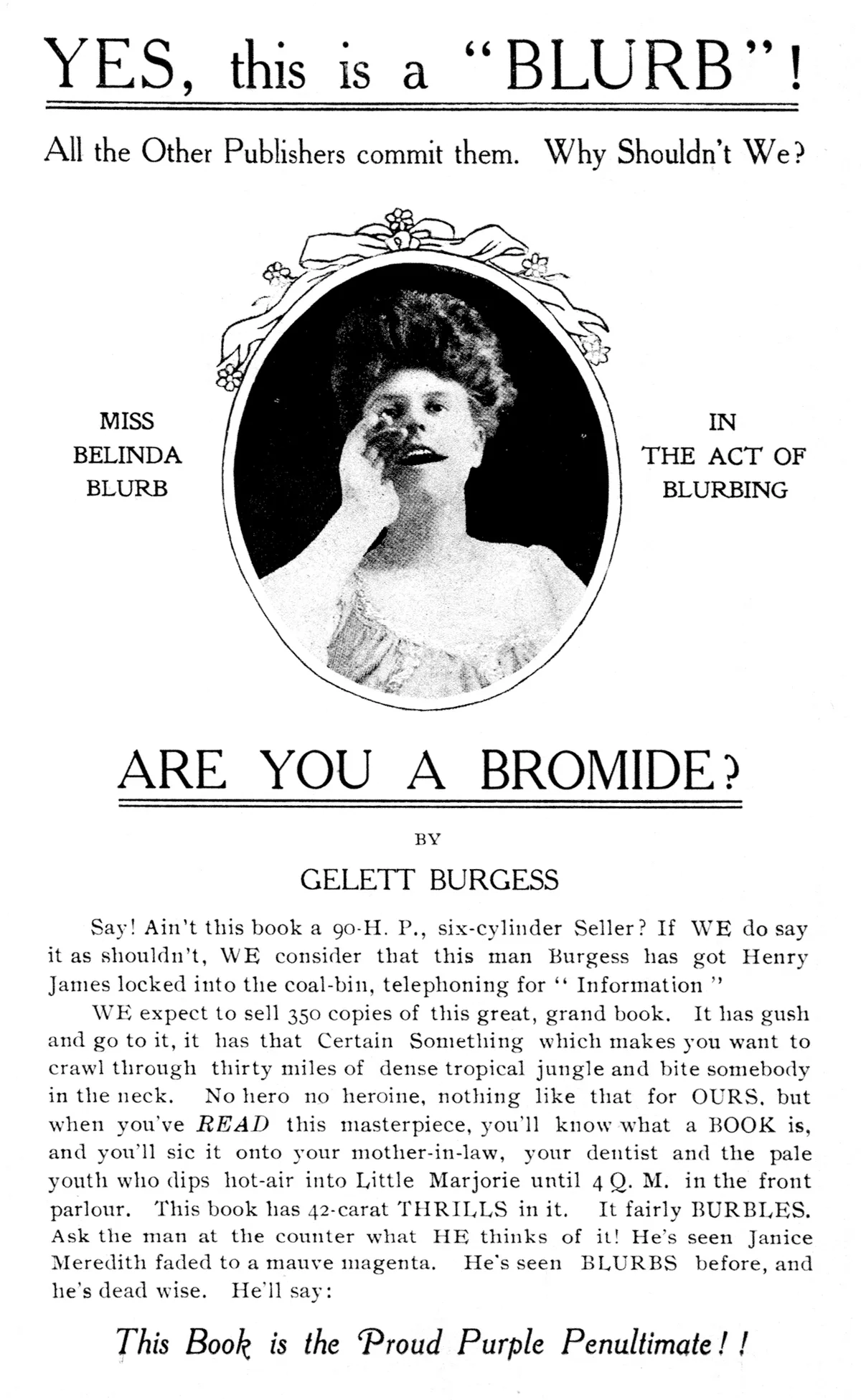
Two practical notes. First, jacket praise is a poor guide; the blurb economy rewards blurbs, not readers, so trust a sample chapter over a celebrity quote. Second, if you listen rather than read, thrillers change shape in audio, and our audiobook review guide covers how narration can make or break suspense. And if a pick here leads you to a small press title nobody is talking about, all the better — the shelf has room. For related coverage, see Book Blurbs — The Blurb Economy: Who Writes Jacket Praise and Why It Matters.
What the evidence of the genre's endurance establishes is that the thriller survives on structure, not fashion. What remains unknown is which current release will still be keeping people up in thirty years. The classics above earned their place the only way a thriller can: one sleepless reader at a time.