A bookshop looks like the simplest business in the world. Buy books, sell books, keep the difference. In practice, the margin between those two steps is one of the tightest in retail, and the reasons reach back through the whole structure of publishing.
Bookselling, as Wikipedia defines it, is the commercial trading of books, the retail and distribution end of the publishing process. Everything that happens before a book reaches the shop has already set most of its price. The shop works with what remains.
The Product Is Not Built for Retail
Books make an awkward kind of stock. Each title is a separate product with its own demand curve. A shop must carry hundreds or thousands of titles at once, and a large share of them will sit for months before they sell, if they sell at all.
Wikipedia notes that stores range from a few hundred to several hundred thousand titles, with the largest exceeding half a million. Every one of those titles occupies shelf space that carries rent, lighting, and staff time. In a bookshop, the shelf itself is the scarcest asset, and slow-moving stock quietly taxes it.
Where the Margin Comes From
A bookshop's income is the difference between the wholesale price it pays publishers and distributors and the cover price it charges. From that gap, the shop must fund everything: the lease, the wages, the ordering, the returns, the heat. Books are heavy and fragile, and unsold copies often go back. That adds handling cost without adding sales. Every return shrinks the margin twice: once in the sale it did not make, and once in the labor it created. Readers following this should also see Sent Back: On the Ninety-Year Bargain That Decides Which Books Survive.
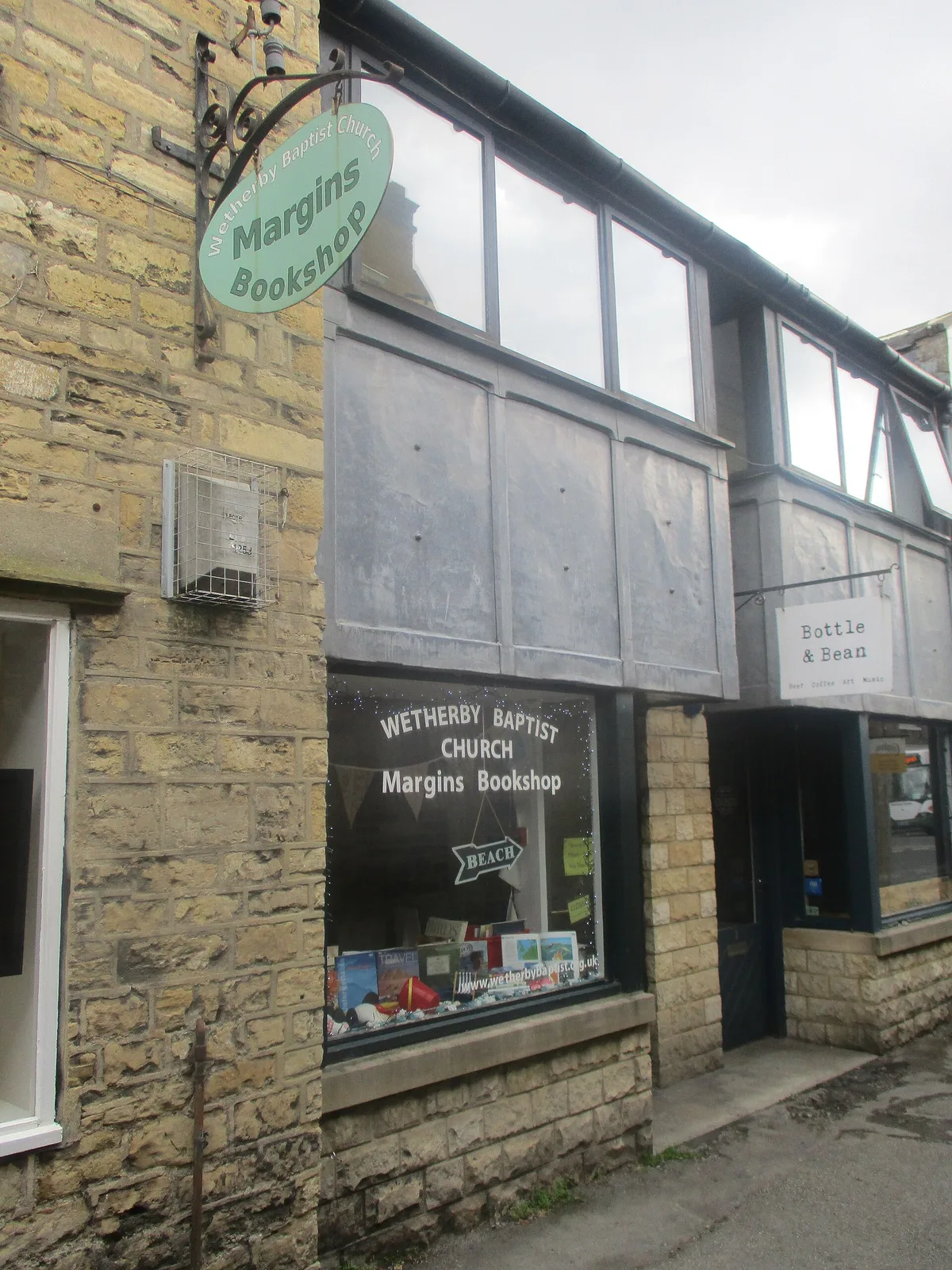
Because the per-book margin is thin, bookshops have always leaned on side products. Wikipedia observes that bookstores often sell other printed matter besides books, such as newspapers, magazines, and maps, and that additional product lines vary enormously, particularly among independent bookstores. Notebooks, cards, coffee, and gifts are not a betrayal of the model. They are the model surviving. This connects to our earlier piece, Heavy Volumes: Inside Art Book Publishing.
Chains, Independents, and Campuses
Scale changes the economics. Bookstores may be part of a chain or local independents, Wikipedia notes, and many campus bookstores are owned or operated by large commercial chains, focusing on course textbooks alongside logo merchandise. Chains negotiate from volume; independents survive on loyalty, curation, and community in ways a chain cannot copy.
The second-hand trade is another margin engine. A used bookstore buys and sells used and out-of-print books in a range of conditions. It takes stock in cheaply and sells it without a publisher in between. Wikipedia notes that book collectors tend to frequent used bookstores, and that large online booksellers offer used books too, often taking a predetermined commission once a book sells.
The Long Tail of the Trade
Some of the most durable bookselling businesses are also the smallest. In Paris, the bouquinistes have run outdoor stalls of antiquarian and used books along the Seine for hundreds of years, regulated by law since the 1850s. Their costs are a fraction of a high-street shop's, which shows how sensitive the margin is to rent.
The internet reshaped the rest of the trade. Wikipedia notes that major websites now dominate book sales, squeezing the middle of the market. Specialists and community shops hold on at the edges.
Conclusion: A Thin Margin Holding Up a Culture
Bookshop margins work because booksellers are ruthless about the one resource they have: space. Between publisher discounts, returns, rent, and the slow tide of stock, the profit in a bookshop is always earned twice, once by choosing well and once by selling patiently. Every visit that ends with a purchase keeps that thin margin, and the shop behind it, alive.