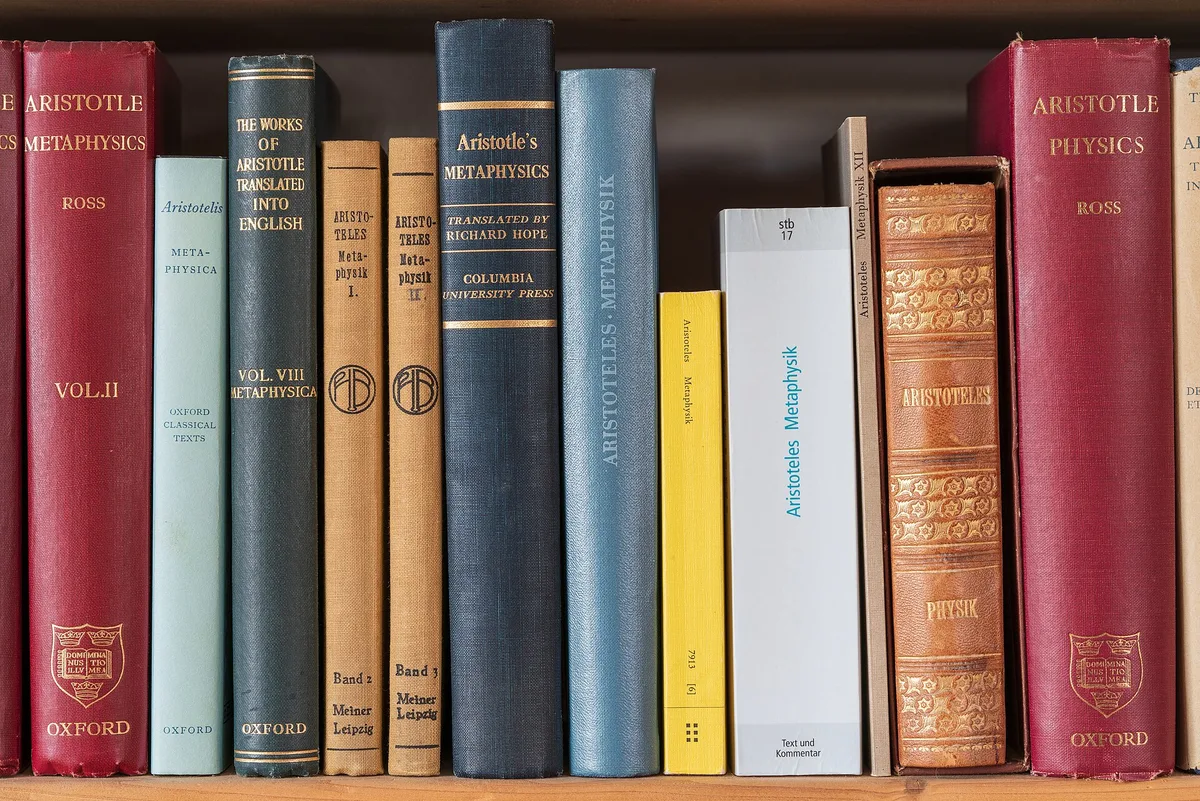
Every old book on your shelf survived something. It survived fashion, time, and sometimes the law. Book censorship has shaped what readers could buy for as long as books have existed, first on manuscripts and later in print.
The story is not only about bonfires. It is also about quiet choices: what got printed, what got trimmed, and what moved under the counter because some authority said no. Read an old edition with that in mind and it starts to talk.
What Book Censorship Means
Book censorship or book banning is an act of authority that aims to suppress ideas and information inside a book, as Wikipedia's overview of book censorship puts it. The people pushing for a ban vary. They range from a worried parent to community members who react to a text without reading it. Books are most often targeted over age questions, offensive language, or sexual content. The stakes could be high. Authors in some places faced harsh sentences, exile, or even execution.
Lists, Fires, and Faith
The tools of censorship are old. Book burning is one of the earliest kinds, with a recorded case from 213 BCE, per that same overview. It is usually done in public and driven by moral, religious, or political objection.
Religious power shaped shelves for centuries. The Catholic Church once kept a running list of forbidden books, the Index Librorum Prohibitorum. Modern states did the same in their way. The Soviet Union banned George Orwell's Animal Farm and 1984 for their critique of totalitarian rule, and Leo Tolstoy's own religious book was banned in the Russian Empire as anti-establishment. For related coverage, see Four Centuries of No: The Rise and Fall of the Index of Forbidden Books.
The Ban That Sells the Book
Here is the twist every collector loves. Banning a book often makes people want it more. The act of suppression creates interest and can make a work more popular, not less. A forbidden title turns into a prize. Readers hunt for copies, pass them hand to hand, and keep them safe. The ban writes its own trace into the book trade, because demand grows fastest exactly where access was blocked.
Obscenity and the Middle-Class Turn
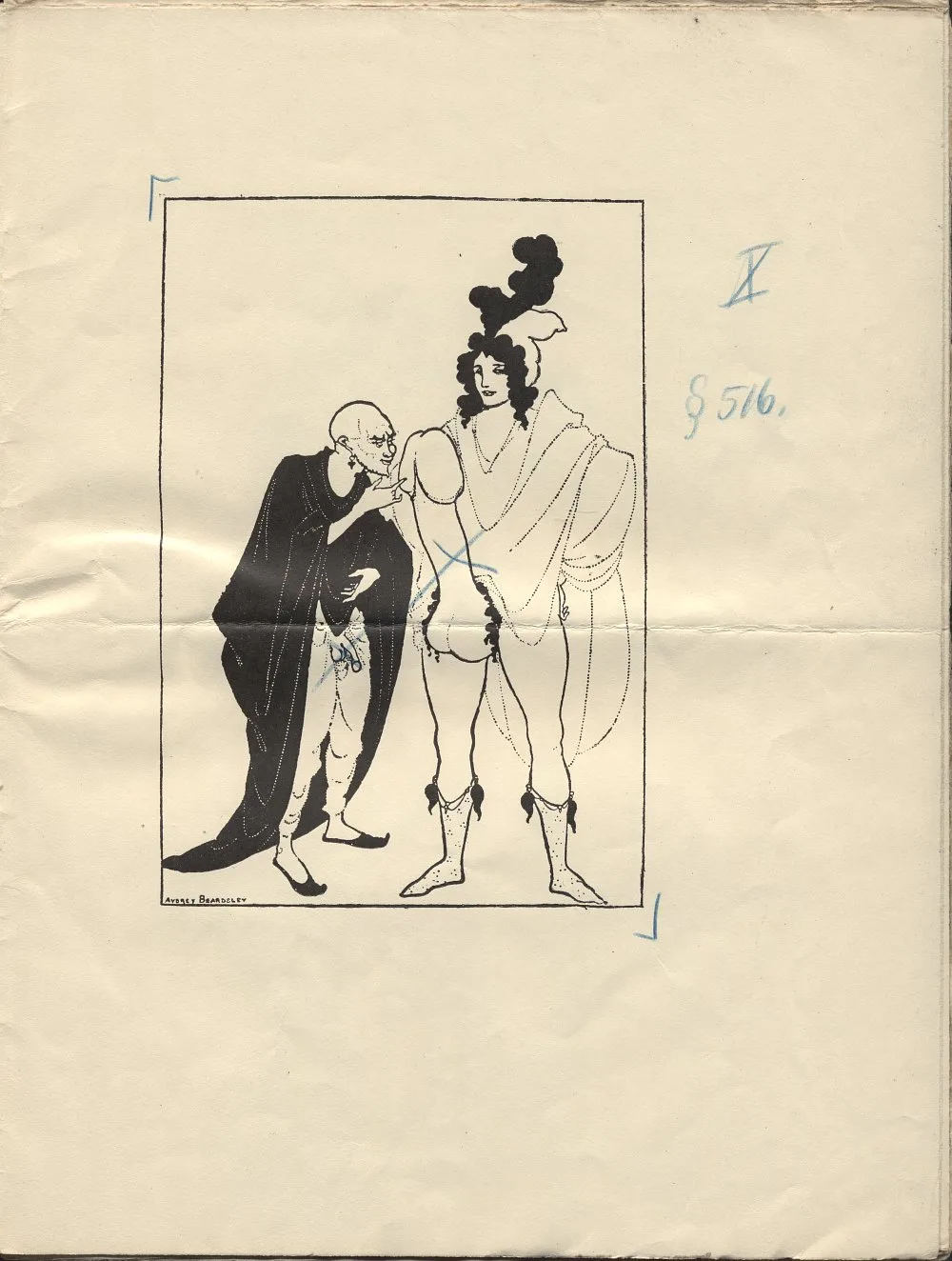
The obscenity charge, which feels ancient, is oddly young. Censorship of literature on that charge appears to have begun in the middle of the nineteenth century. Its engine was a rising middle class with evangelical habits and a worry about corrupting reads. Publishers had to reckon with that mood, and what reached the shop floor reflected it. A book's printed form could depend on the temper of its time as much as on its author. That worry now reads as history, but the books it shaped are still with us. We covered a connected angle in The Wood Pulp Break: How Cheap Paper Remade the Nineteenth Century.
How to Read an Old Edition With This in Mind
This history gives any reader a few practical habits. Check the date and place an edition was printed, then ask what was restricted there at the time. Look for signs of trimming or careful wording in risky passages. Treat a banned title's later printings as evidence of the hunger for it. None of this needs special expertise. A printed date, a publisher's name, and a careful title page can tell a whole story if you ask plain questions of them. And read any old list of forbidden books the other way round. It is also a map of what readers most wanted to get hold of.
Conclusion: The Mark of the Ban
Censorship rarely silenced the books it chased. More often it marked them. It shaped which texts were printed, which were hunted, and which copies survived for us to collect. A banned book is more than a story. It is a record of a fight over what people were allowed to read.