Museums publish exhibition catalogues because exhibitions disappear and books do not. A catalogue fixes the checklist, the hang, the scholarship and the provenance of a temporary show into a permanent document — and, at its best, becomes an independent work of reference that outlives the exhibition that produced it.
Why does a temporary show need a permanent book?
Because the exhibition ends and the loans scatter. A catalogue is the only place where a temporary assembly of objects — borrowed from dozens of owners, hung for a season — survives as a single body. It is the exhibition's legal memory: checklist, order, wall colours, scholarship, provenance.
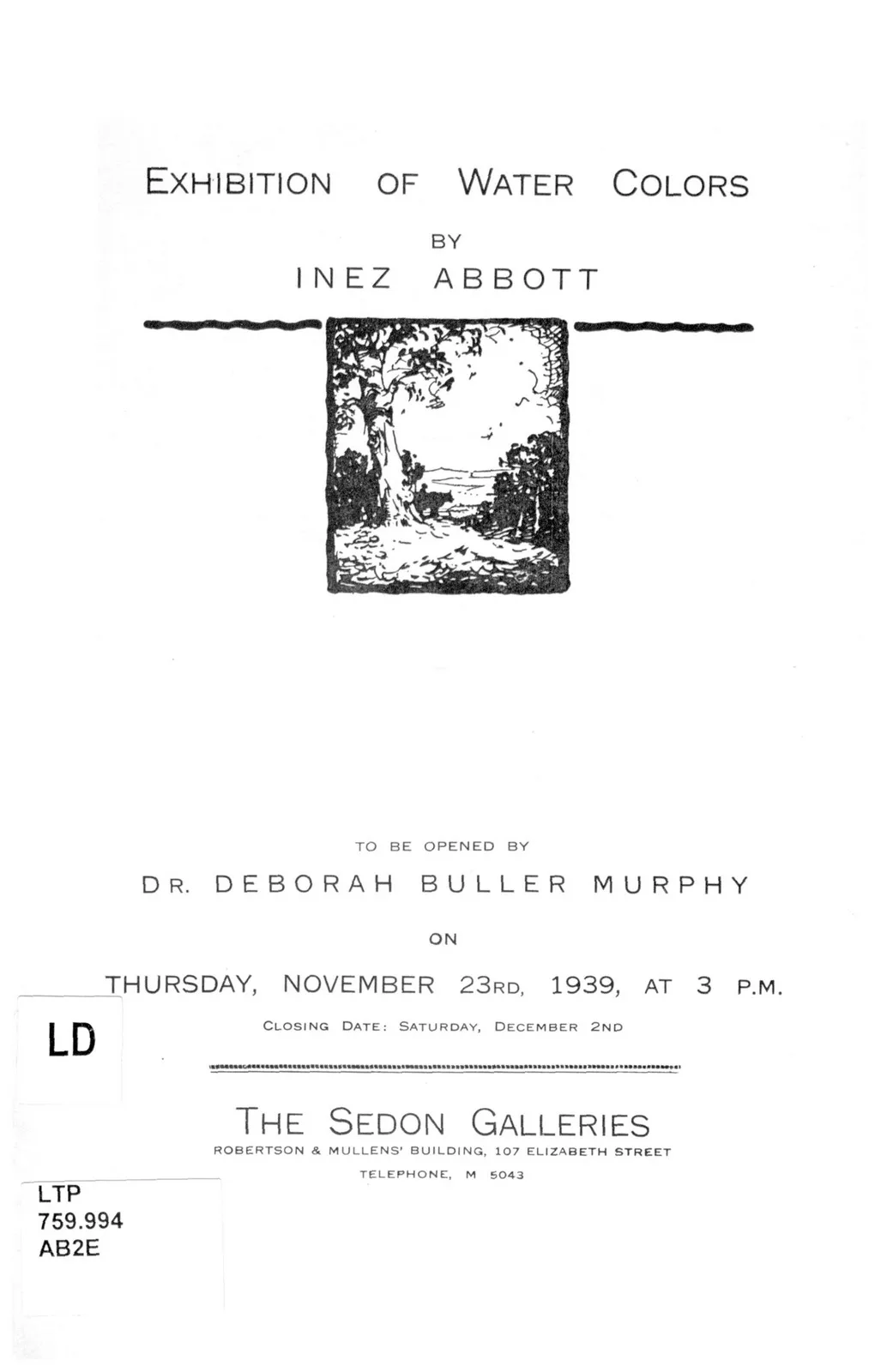
The genre descends from bureaucratic paper. Eighteenth- and nineteenth-century sale catalogues and Salon livrets listed works with the soberness of inventory; the modern museum catalogue kept the list and added the argument. Art historians reconstruct long-dismantled exhibitions through these volumes the way paleontologists work from bone — the catalogue is often the only place the show still exists whole.
Loans make the point concrete. A single exhibition may borrow from forty lenders on forty contracts, each work returned at close to places the public may never see together again. The catalogue, not the museum, is the instrument that preserves the assemblage.
What is inside a serious catalogue?
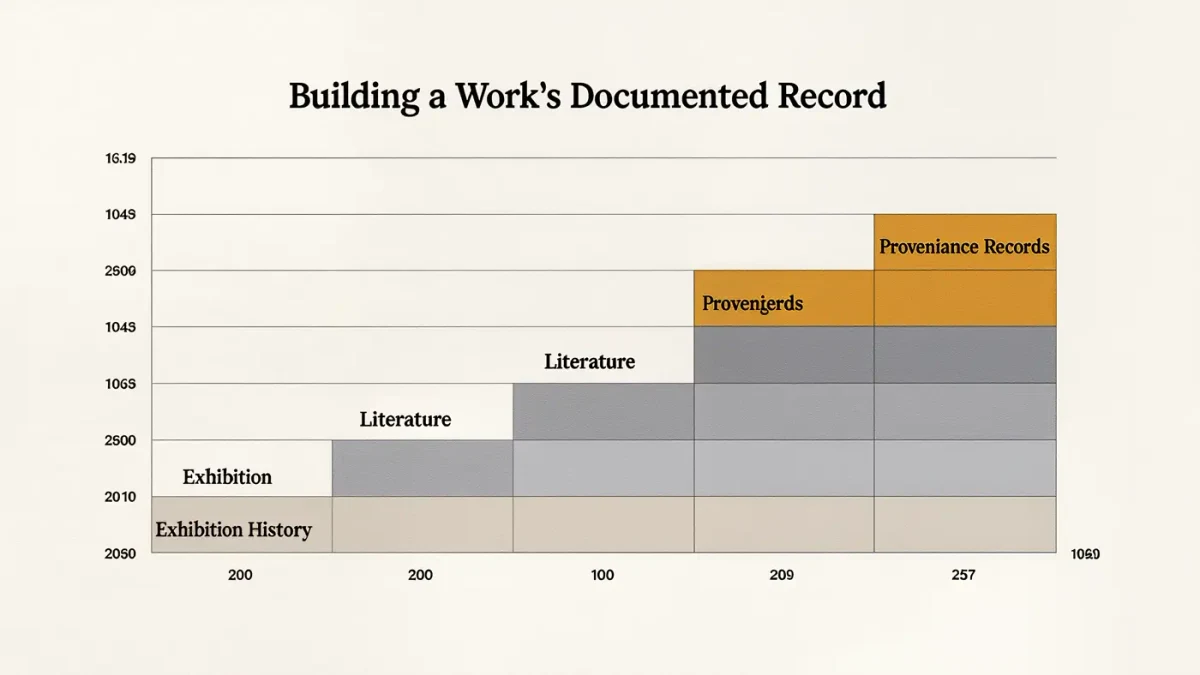
Three layers: essays, entries, apparatus. Scholars frame the argument in essays; curators write entries for each object — dimensions, provenance, exhibition history, bibliography, condition; appendices add chronologies, letters, technical studies. The reader gets both a book about the subject and a reference work beneath it.
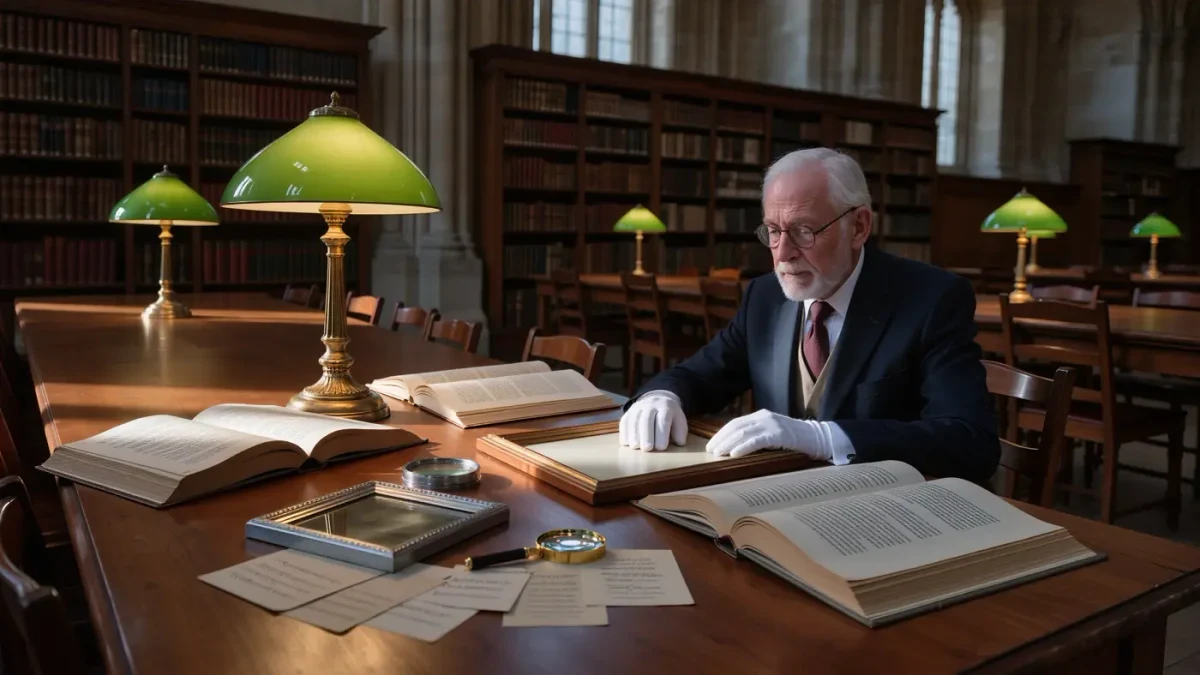
The entries are the genre's quiet glory. A good entry compresses decades of scholarship into paragraphs: where the object has been, who owned it, what has been written, what the X-radiograph shows. Essays are read once; entries are consulted for generations, which is why catalogues survive on library shelves long after their exhibitions have been struck.
There is a third, quieter layer: the record of the hang. Installation photography, room plans and a curator's preface preserve decisions the public experienced without naming — sightlines, sequence, the argument built in space. Thirty years later, that record is what distinguishes a documented exhibition from a list of loans.
Why is colour printing so expensive?
Because colour is negotiated with machines. Four-colour offset requires separations, proofs and on-press correction; art paper is heavy and coated; a lavishly illustrated catalogue can weigh two or three kilograms, multiplying freight and warehousing. Short runs raise unit cost; long runs raise risk.
The cost chain runs from proof to pallet. Press checks — a curator and a production editor standing at a press in the small hours, comparing wet sheets to the original — consume days and flights; coated paper is bought by weight; ocean freight and warehousing charge by volume; and unsold stock is remaindered at a fraction of cover price. Specialty distributors move catalogues to museum shops and booksellers, but the museum carries the bet.
Timing compounds the risk. A catalogue must be substantially finished before the show opens, which means sales forecasts are written before a single review appears; the printer's schedule, not the critic, sets the deadline. Museums hedge with co-editions and trade distribution, but the exposure is structural.
This is why catalogue prices startle civilians. The object in hand — sewn signatures, colour plates on both sides of the sheet, scholarly text set and proofed by hand — is closer to a manufactured product than a paperback, and its print run is a fraction of fiction's. The catalogue is the rare book that must pretend to be a souvenir.
What is a catalogue raisonné?
The catalogue to end catalogues: a documented record of every surviving work by an artist, with attribution, history and literature for each. The Rembrandt Research Project, founded in 1968, spent decades re-attributing panels; catalogues raisonnés are begun as careers and finished as legacies.
The genre is the catalogue's most absolute form. Where an exhibition catalogue documents a selection, the catalogue raisonné claims completeness — every accepted work, illustrated, dated, traced through owners and sales. Attribution is money: inclusion raises auction values and exclusion destroys them, so these volumes are scholarship and jurisprudence at once, produced by foundations, committees and heirs, sometimes across generations.
Why do some catalogues become collectors' books?
Scarcity plus authority. Catalogues of landmark shows — the exhibitions that defined movements or revived reputations — go out of print when the stock sells or is remaindered, and the survivors appreciate as primary documents. A catalogue is a first edition of an argument.
The collecting logic is bibliographic: condition, print run, presence of the jacket, ideally a signature from curator or artist. Library demand keeps prices honest, since the same volumes are cited for decades. What begins as the show's byproduct ends as its currency — the document that proves you were there, or stands in for having been there at all.
Do catalogues still pay for museums?
Rarely in cash; reliably in legacy. Most catalogues break even or lose money and are priced as ambassadorship — the shop discount, the freight, the remainders. What persists is the scholarly dividend: citations, course adoption, the record that outlives ticket sales.
The economic soul-searching is old and recurring: print-on-demand companions, digital catalogues, slimmed visitor editions beside the scholarly brick. Yet the physical catalogue persists because it solves the museum's oldest problem — the show vanishes — with the oldest technology available. Reporting on museum finances at Reuters and arts desks such as BBC Culture keep returning to the same paradox: the cheapest object in the building is the one that makes the building permanent.