Topic
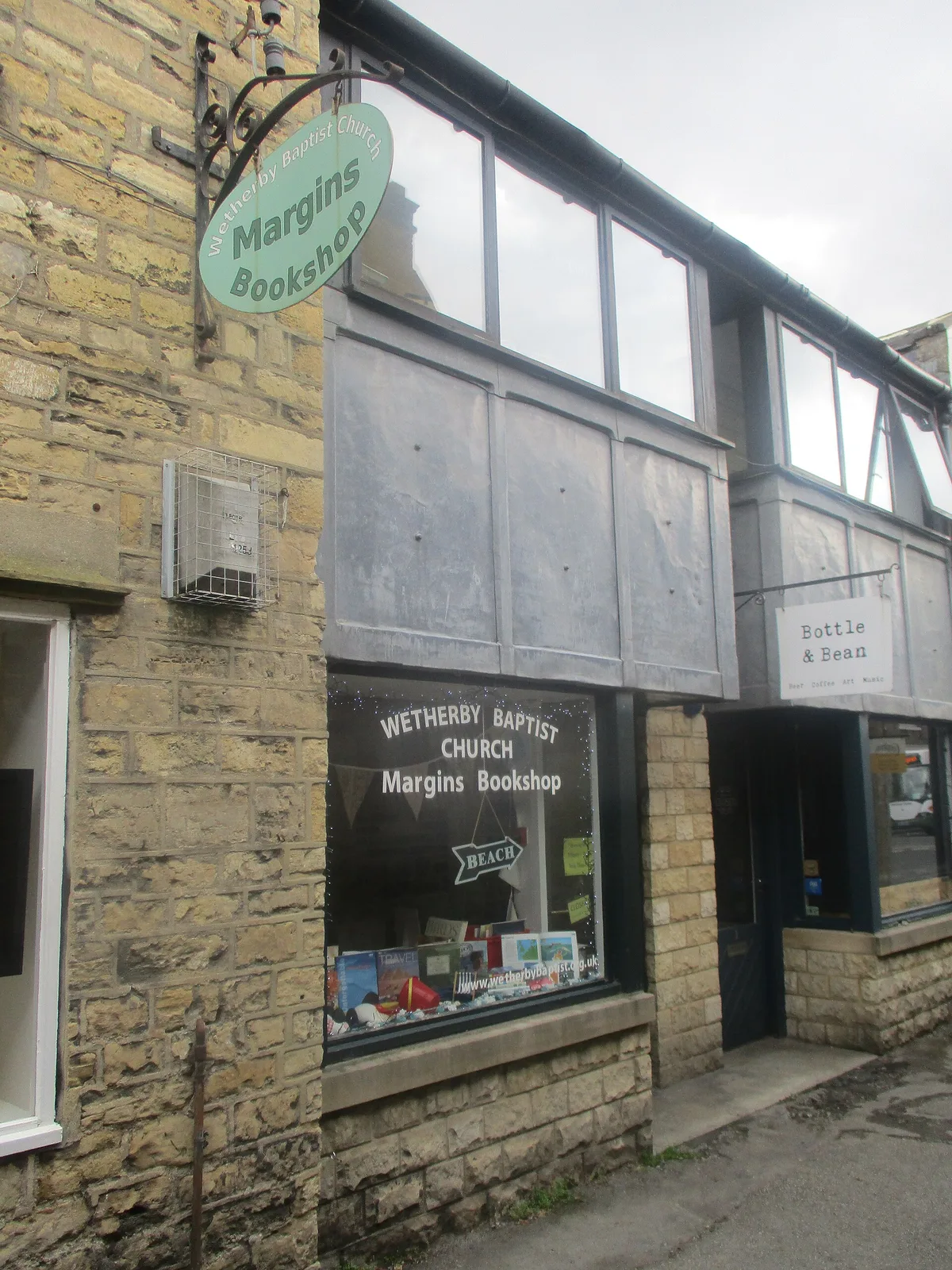
The Shelf Rent: How Bookshop Margins Actually Work
Bookshops sit at the end of the publishing chain, trading in a product that is heavy, fragile, and slow to sell. How bookshop margins actually work, from discounts to shelf space.
Bookshops sit at the end of the publishing chain, trading in a product that is heavy, fragile, and slow to sell. How bookshop margins actually work, from discounts to shelf space.
A literary agent is the gatekeeper, negotiator, and career advocate between a writer and a publisher. What the job involves, how agents are paid, and why the role matters.
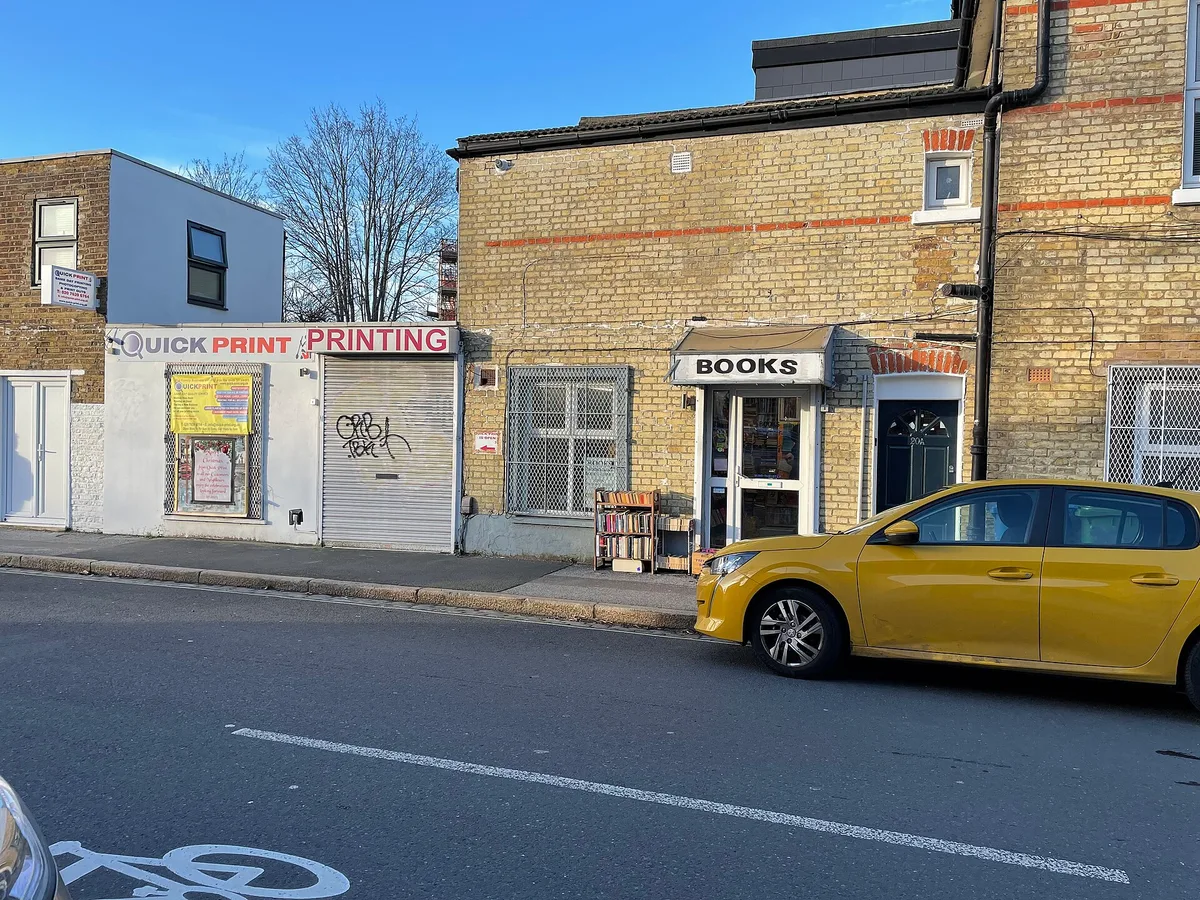
A free party at a brewery on Oct. 8 doubles as a fundraiser for the American Library Association's anti-censorship campaign — and a small bookstore's bid to matter locally.
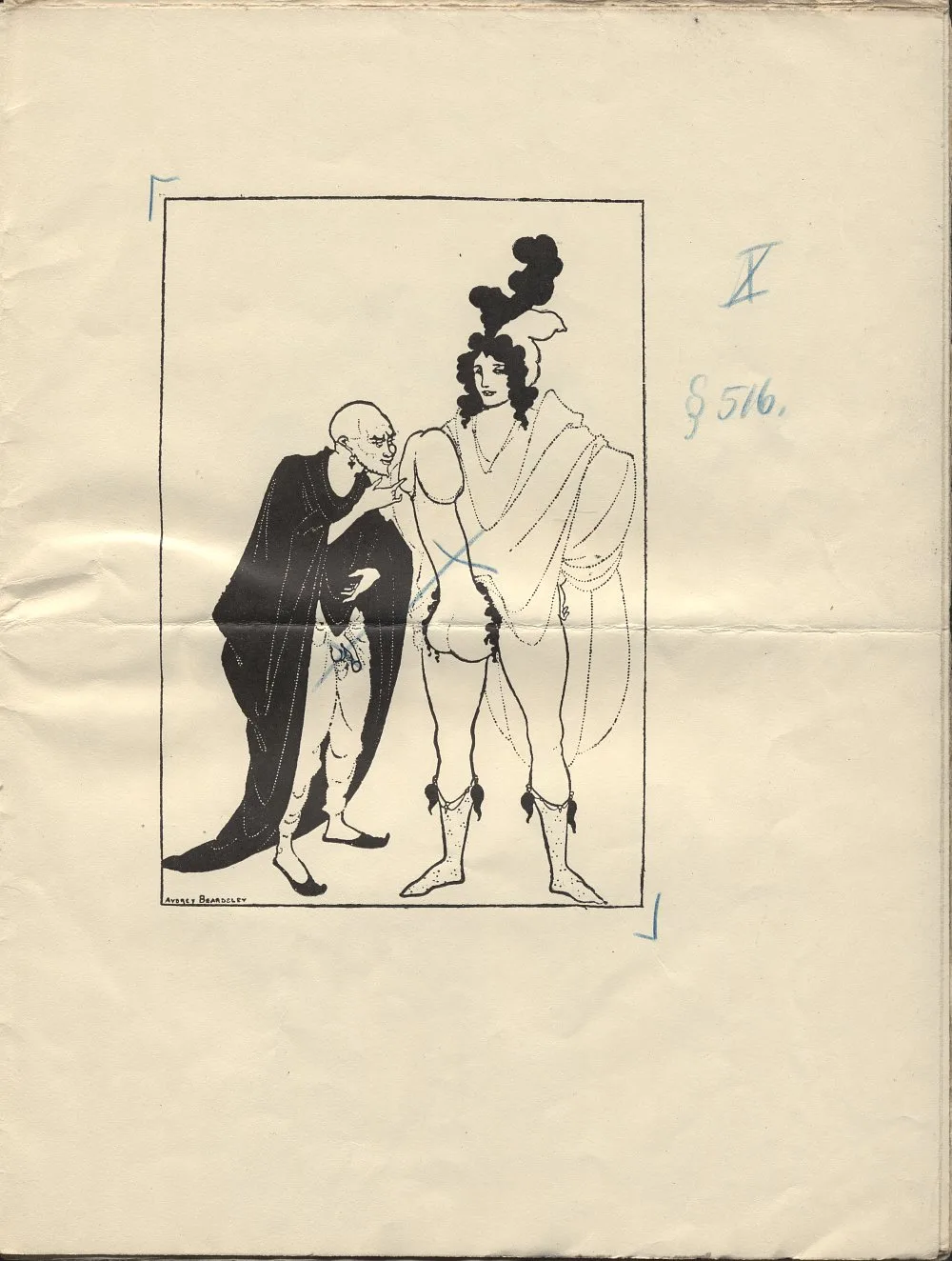
Bans left marks on the books we collect. How censorship shaped what was printed, why banning a book made readers want it more, and what old editions reveal.
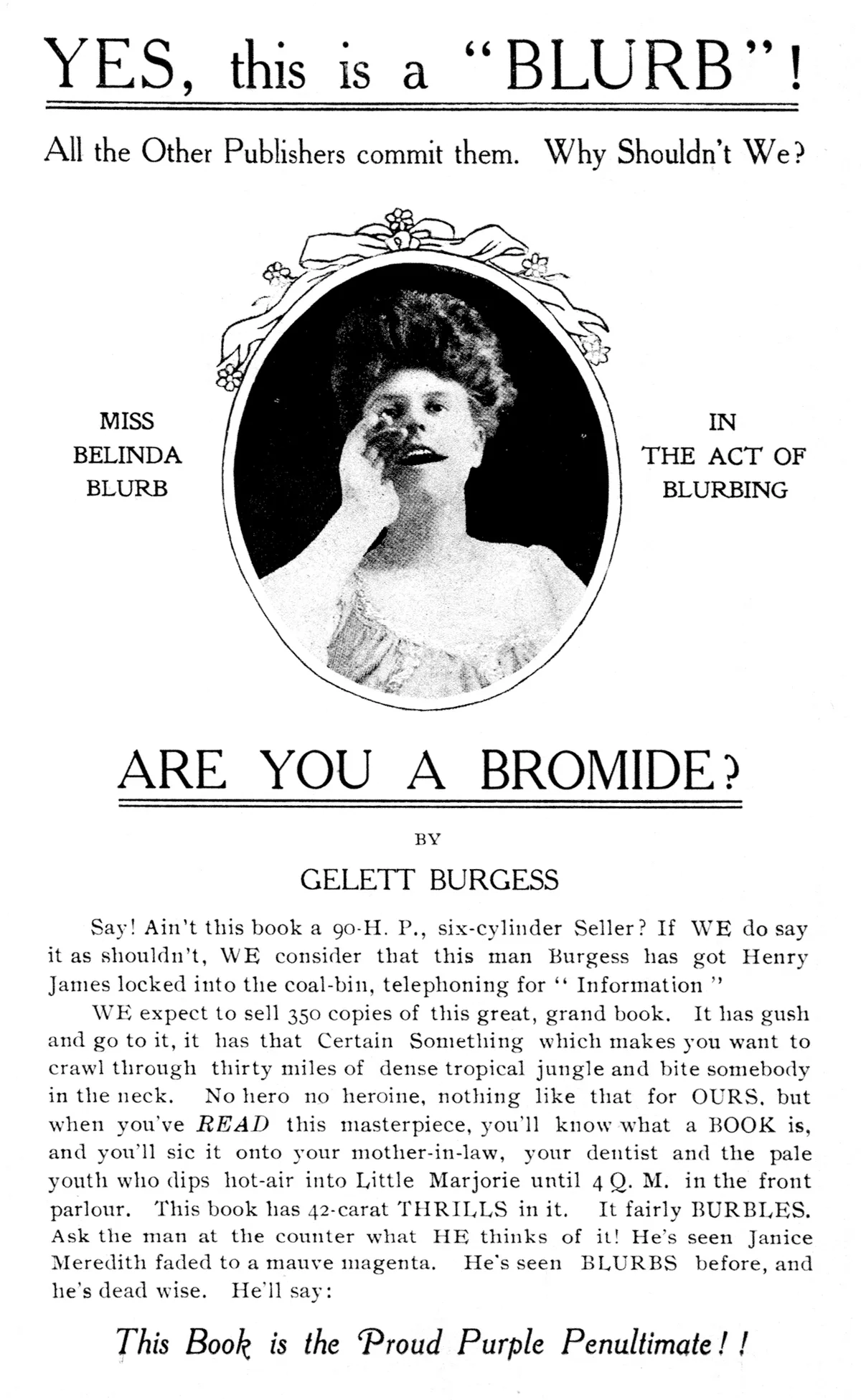
The quotes on a book jacket are a small economy of favors. Who writes blurbs, what the ask costs famous writers, and how to read praise with an editor's eye.

Novels told in letters still feel shockingly close. How the epistolary novel grew, the tricks that sell the illusion, and why the lies inside the mail hook readers.

A debut reading in Fountain Hills is a small event with a long history — and a useful case study in how new books find their first readers.