Topic
Audiobook Review Guide — The Voice in the Room: How to Review an Audiobook as Its Own Medium
Narration is not packaging. It is a second authorship, and it deserves its own critical standards.
Narration is not packaging. It is a second authorship, and it deserves its own critical standards.
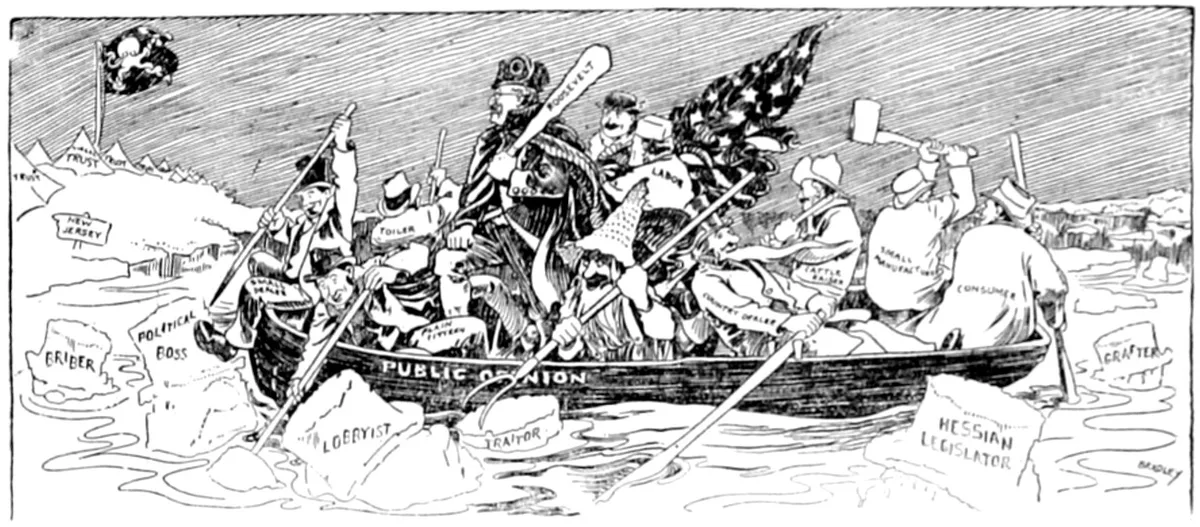
The saying feels true because some patterns really do recur. The trick is telling recurrence from rhyme, and rhyme from a story we want to hear.
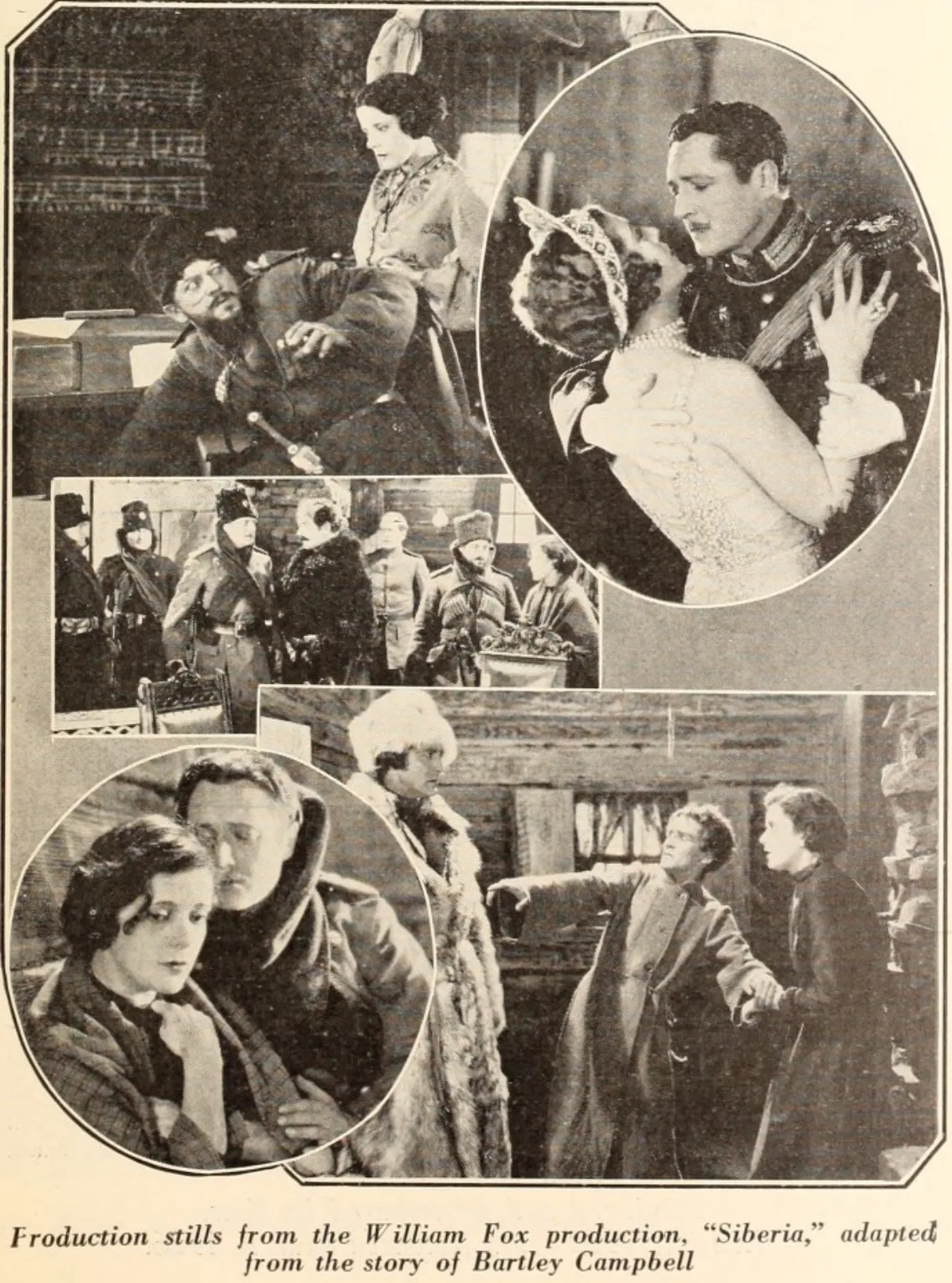
Seventy scholars just spent three days at Elon University arguing about how books become films. Here is what their panels show a reader can do with that argument.
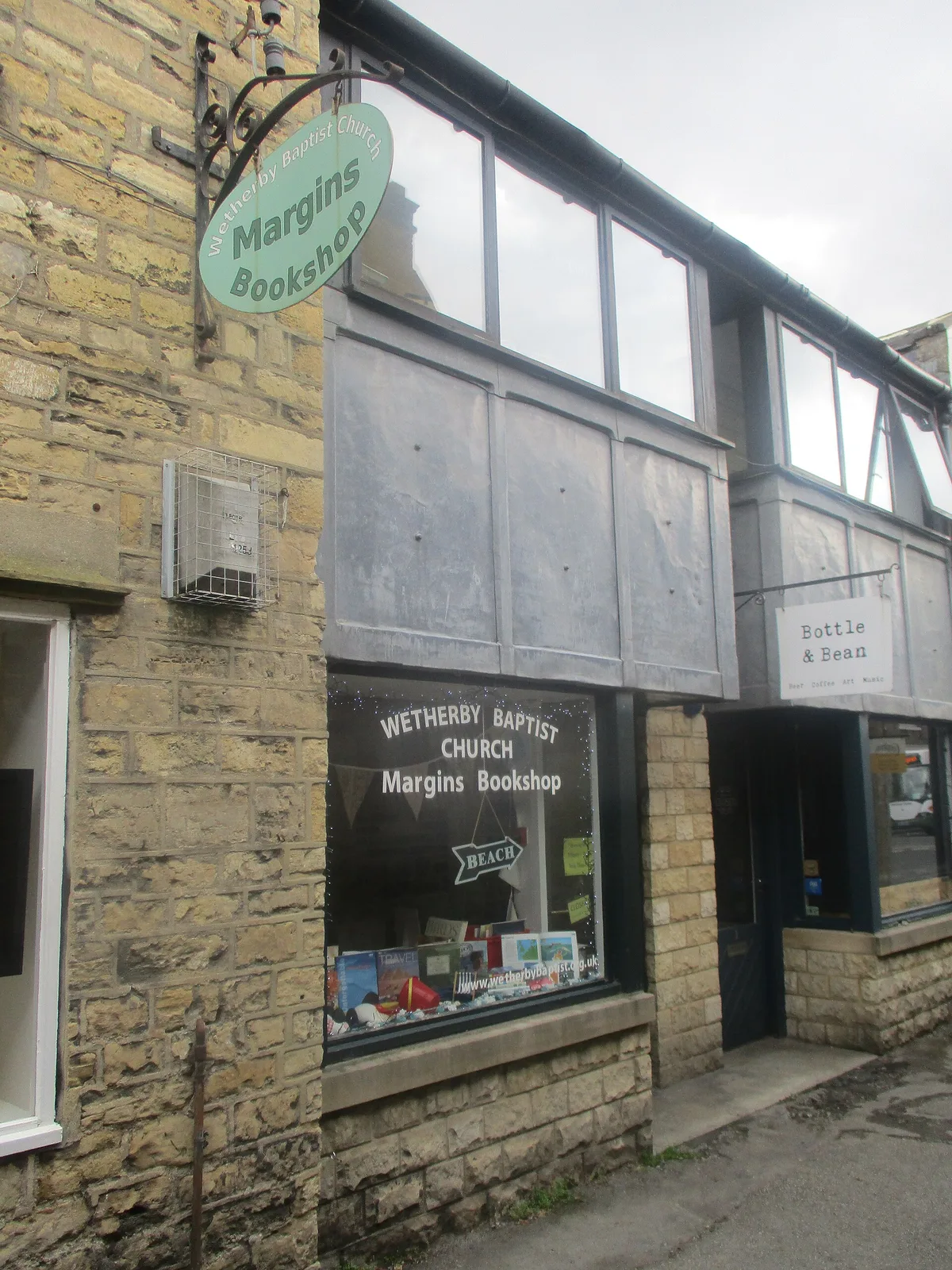
Bookshops sit at the end of the publishing chain, trading in a product that is heavy, fragile, and slow to sell. How bookshop margins actually work, from discounts to shelf space.
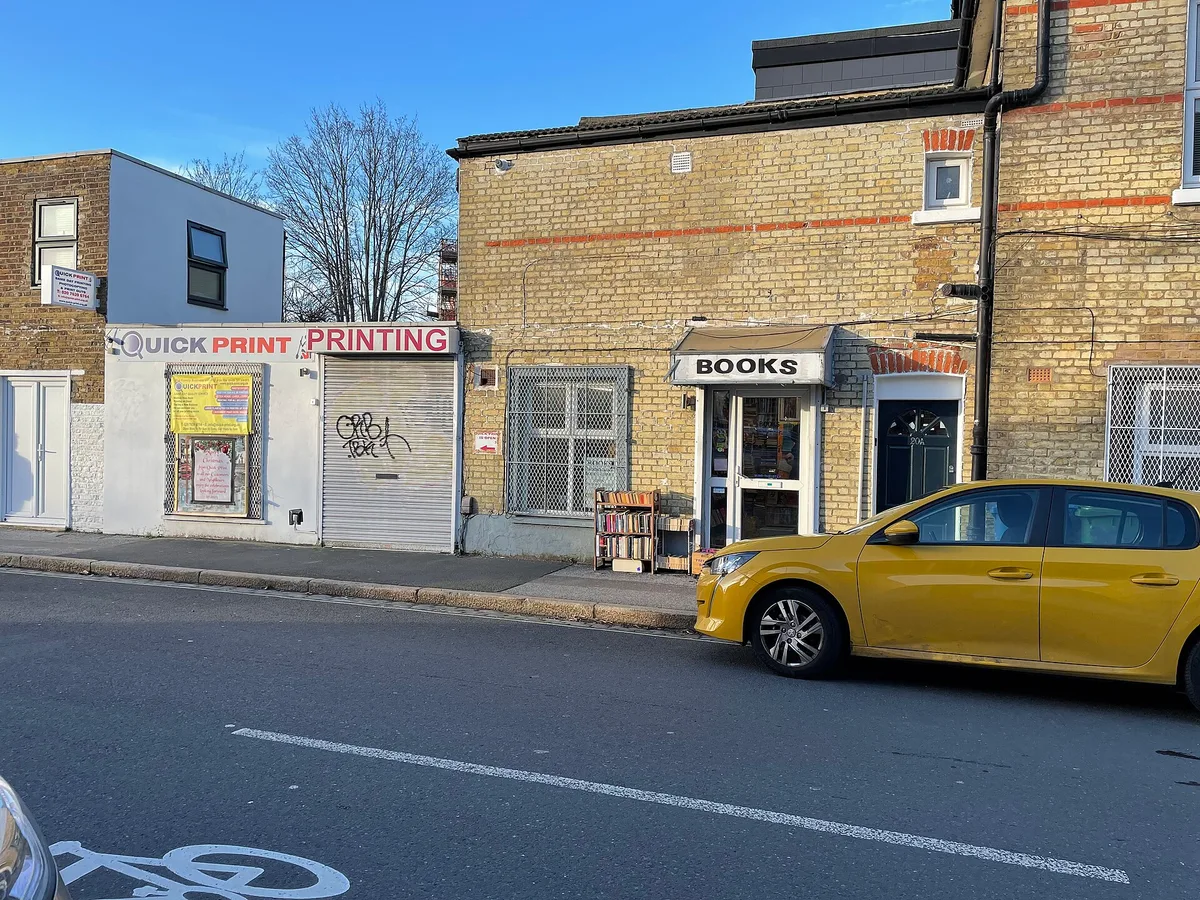
A free party at a brewery on Oct. 8 doubles as a fundraiser for the American Library Association's anti-censorship campaign — and a small bookstore's bid to matter locally.
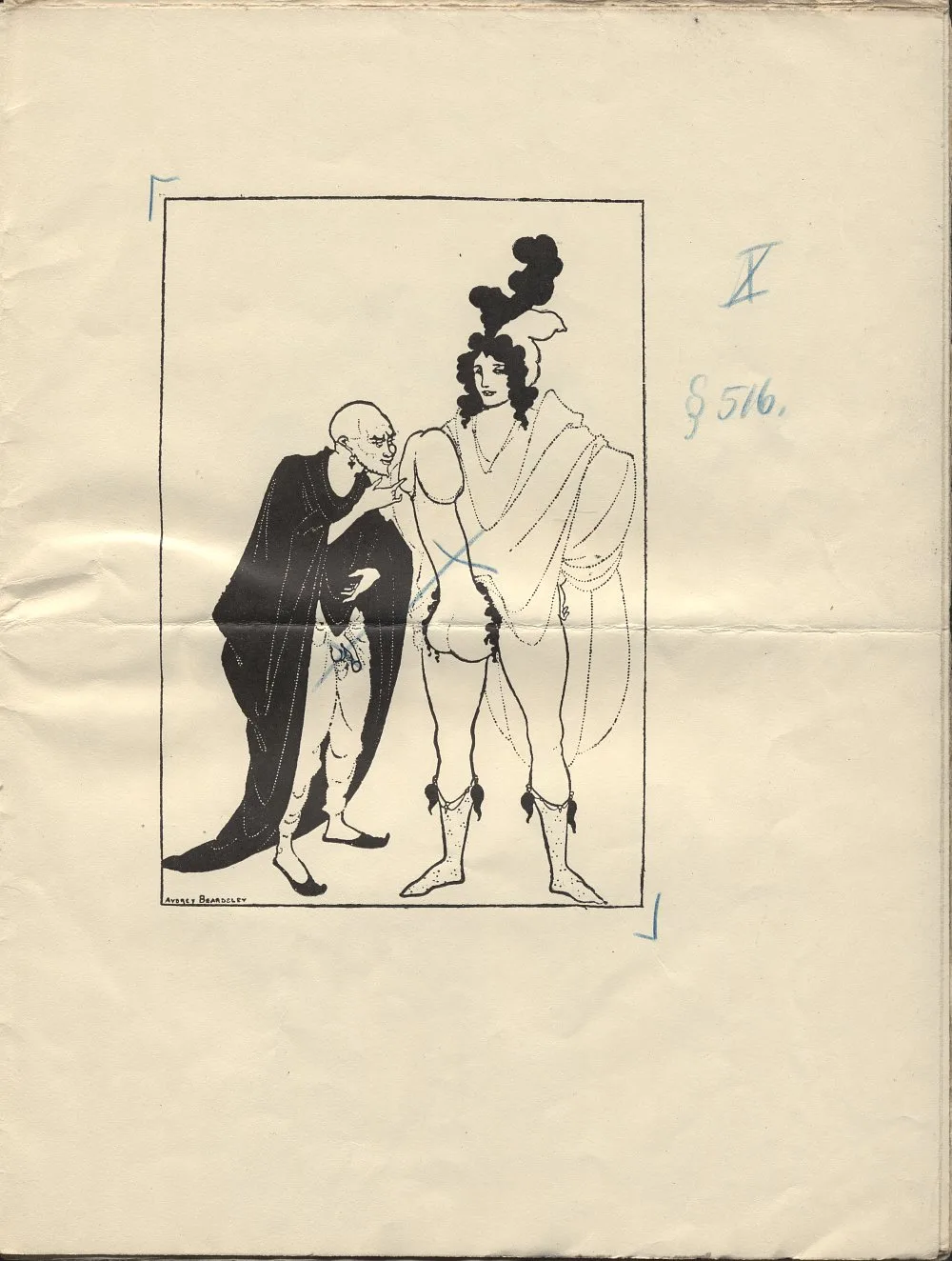
Bans left marks on the books we collect. How censorship shaped what was printed, why banning a book made readers want it more, and what old editions reveal.
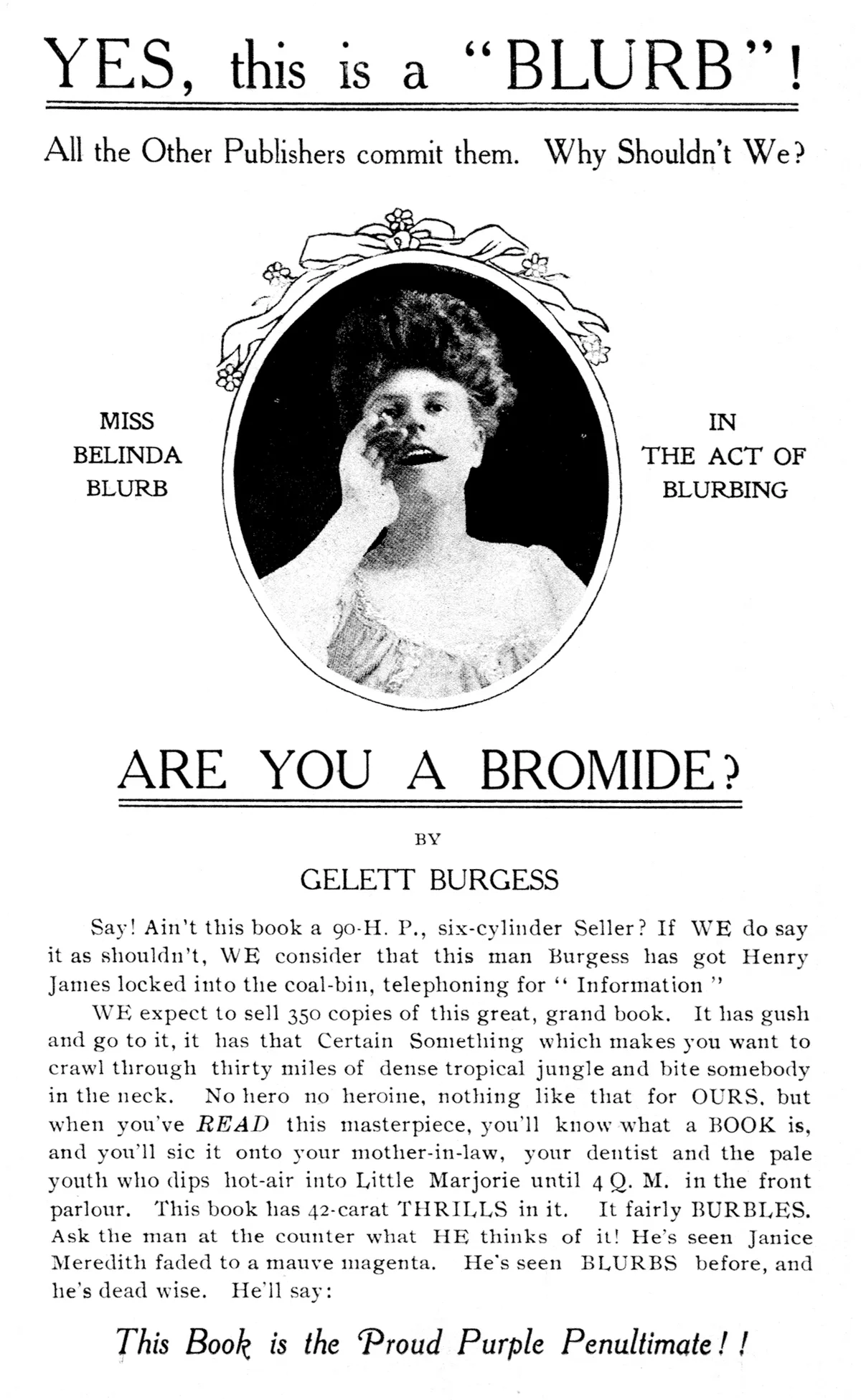
The quotes on a book jacket are a small economy of favors. Who writes blurbs, what the ask costs famous writers, and how to read praise with an editor's eye.

A debut reading in Fountain Hills is a small event with a long history — and a useful case study in how new books find their first readers.
What fiction and poetry do for empathy and attention that feeds and algorithms cannot.
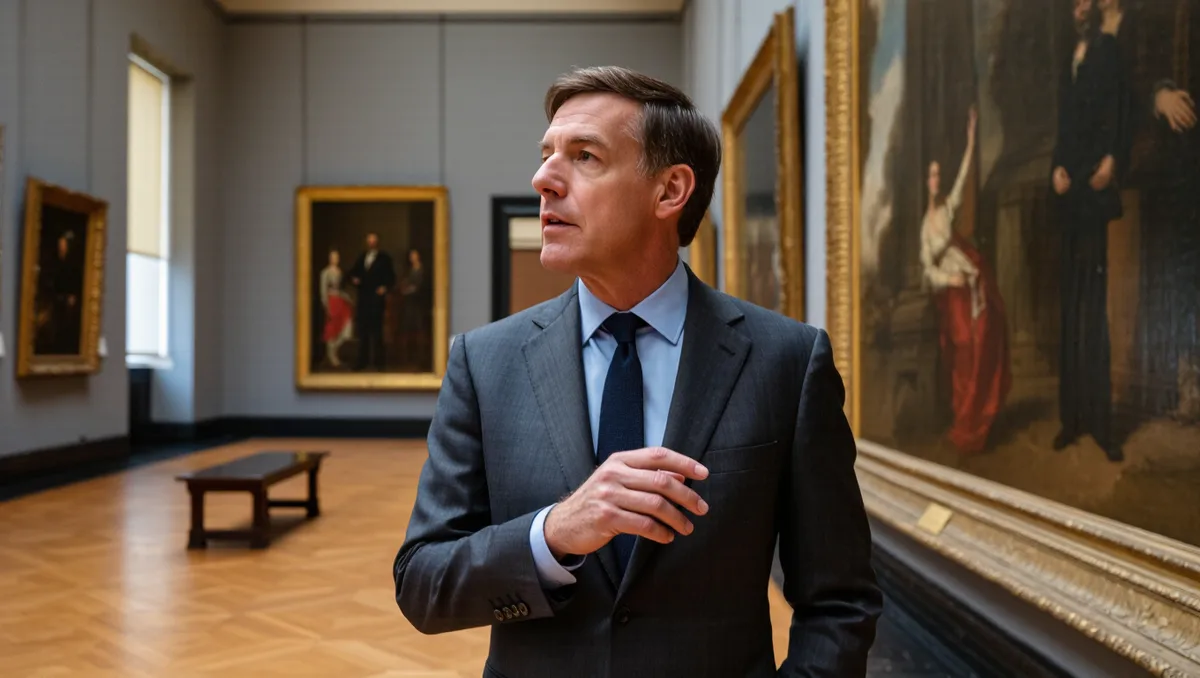
Composition, light, and iconography, explained step by step, so your next gallery visit becomes close reading instead of a quick walk past.