Does history repeat itself? The honest answer is: sometimes, in ways that are narrower and less dramatic than the saying suggests. Historians do study recurring patterns — the rise and fall of institutions, waves of censorship, the repeated arrival of cheap technology that upends who gets to read. What they mostly refuse to do is treat the past as a script that reruns on schedule.
The phrase "history repeats itself" survives because it captures something real. Similar pressures produce similar outcomes. But as Wikipedia's overview of history as a discipline explains, the field works by analysing and interpreting evidence to construct narratives about what happened and why — and those narratives change as new evidence arrives. A pattern is a conclusion drawn from that evidence, not a starting assumption.
This article sorts the recurring patterns historians genuinely study from the versions of "history repeats itself" that are mostly convenient storytelling. Along the way, we will look at why the myth persists, which patterns have held up, and how to spot the difference in the wild. Readers who want the wider territory can start with our history coverage, where most of these questions get book-length treatment. This connects to our earlier piece, The Locksmith’s Psalm: The Bay Psalm Book and the Price of Being First.
Where does the idea that history repeats itself come from?
The saying is old and slippery. Versions of it circulate widely — that history repeats itself first as tragedy, then as farce; that those who cannot remember the past are condemned to repeat it. The exact wording shifts with the teller, which is itself a clue: these are proverbs, not findings. They compress an argument into a slogan, and slogans do not carry citations.
The underlying intuition has a respectable pedigree. Observers have long noticed that human institutions face the same recurring problems — succession, scarcity, succession again — and tend to reach for similar solutions. What changed with modern historical scholarship was the demand for proof. As the discipline professionalized, historians increasingly insisted on documented evidence, source criticism, and arguments that could survive scrutiny rather than aphorisms that merely sounded wise.
What does history actually mean as a discipline?
It helps to be precise about the word. According to Wikipedia's entry on history, history is "the systematic study of the past, focusing primarily on the human past," and it analyses evidence to construct narratives explaining not just what happened but why. The past itself is fixed; history, the account of it, is not. Narratives change as historians discover new evidence or reinterpret known sources.
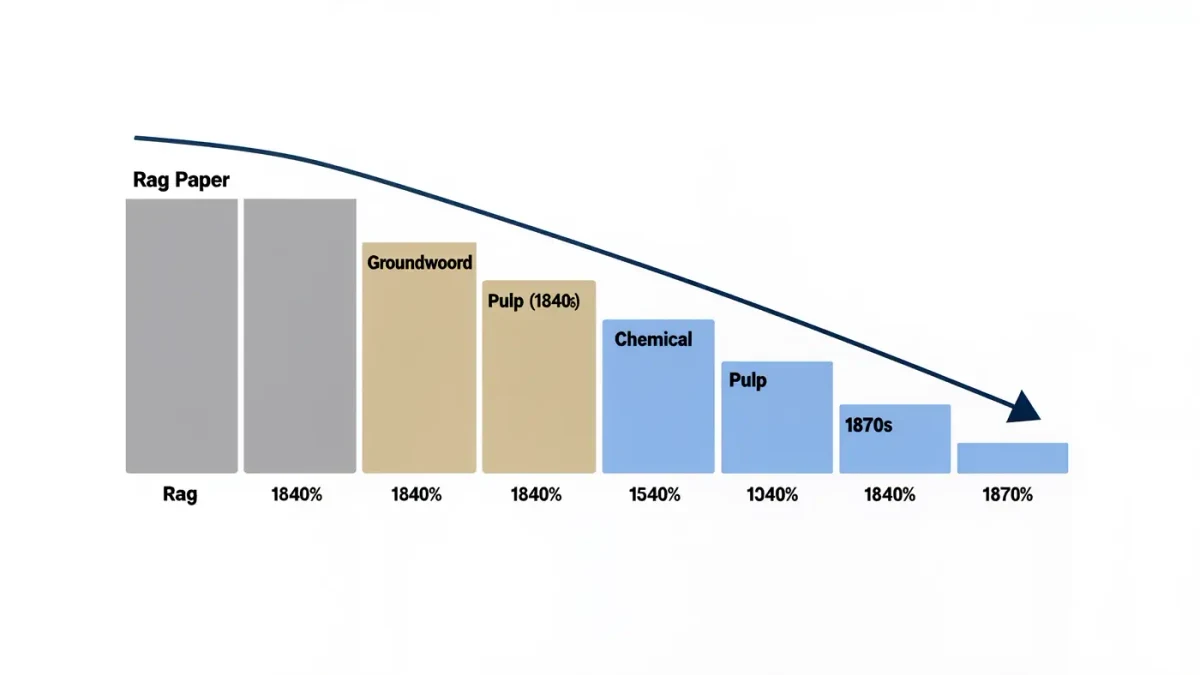
That distinction does real work here. If history were simply "what happened," then "history repeats itself" would mean events literally recur — which they almost never do, in detail. But history as a discipline studies causes, contexts, and consequences. And causes do recur. A shortage of paper, a panic about foreign ideas, a new format that undercuts an old one: these situations return, even when the people inside them believe they are living through something unprecedented. Readers following this should also see The Wood Pulp Break: How Cheap Paper Remade the Nineteenth Century.
Which recurring patterns hold up under scrutiny?
Several kinds of pattern have proven durable enough that historians return to them again and again. None is a law. All are tendencies that show up across very different times and places, which is what makes them worth naming.
- Technology shocks in the book trade. When a new format gets cheap, incumbents panic, access widens, and the culture reorganizes. We have traced this in the paperback revolution and again in how cheap wood-pulp paper remade the nineteenth century. The details differ; the shape rhymes.
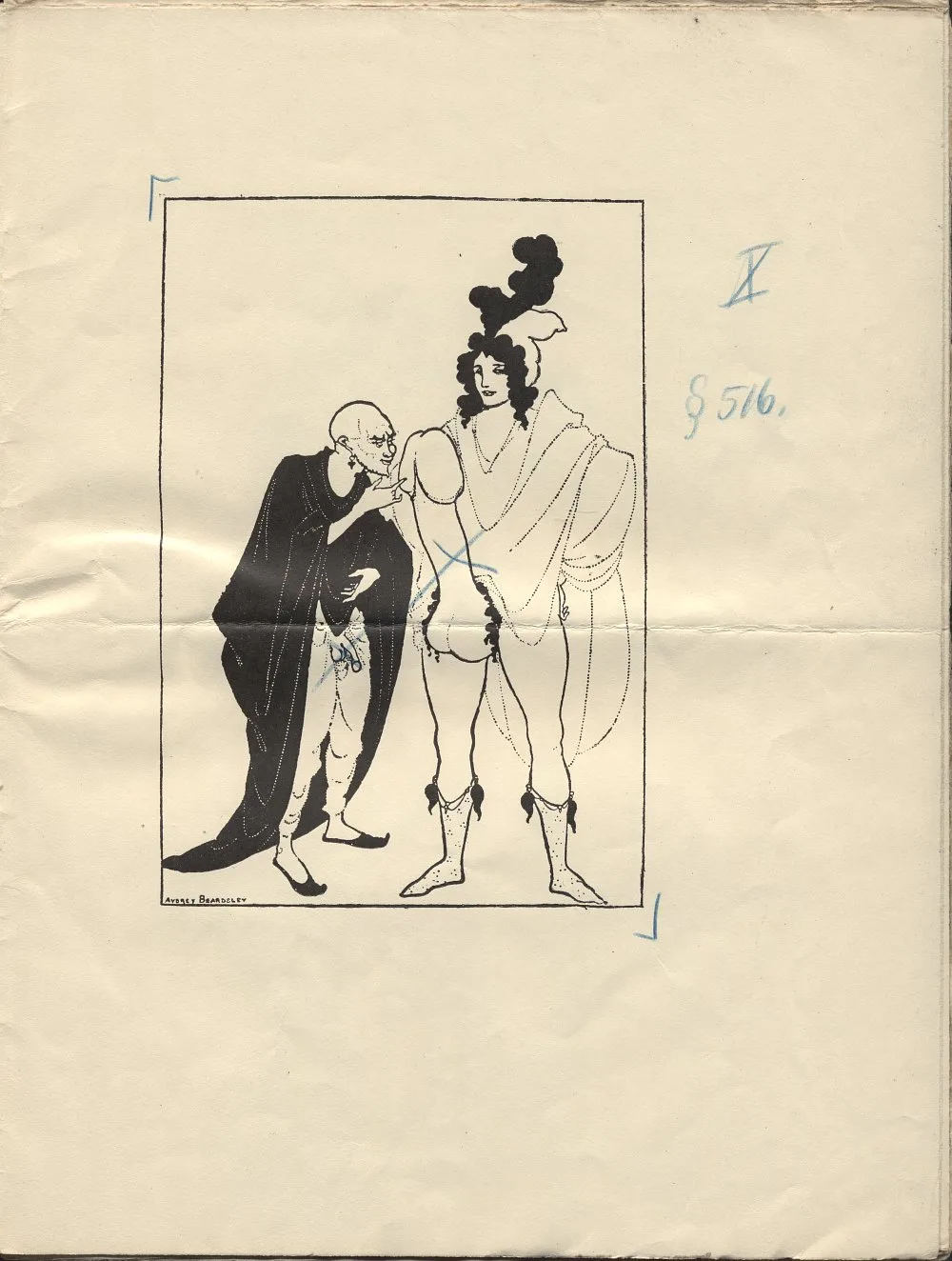
- Censorship cycles. Authorities suppress texts, readers find routes around the suppression, and the forbidden status itself becomes a selling point. The pattern recurs from early modern Index of Forbidden Books to the smuggling networks behind censorship-shaped editions. What this means for readers: prohibition has rarely been the end of a book's story.
- Institutional founding and decay. Libraries, circulating societies, and publishing houses tend to follow an arc: a founding insight, a period of dominance, and eventual displacement by a cheaper or more convenient rival. The story of Mudie's circulating library is a clean case study of dominance earned and then lost.
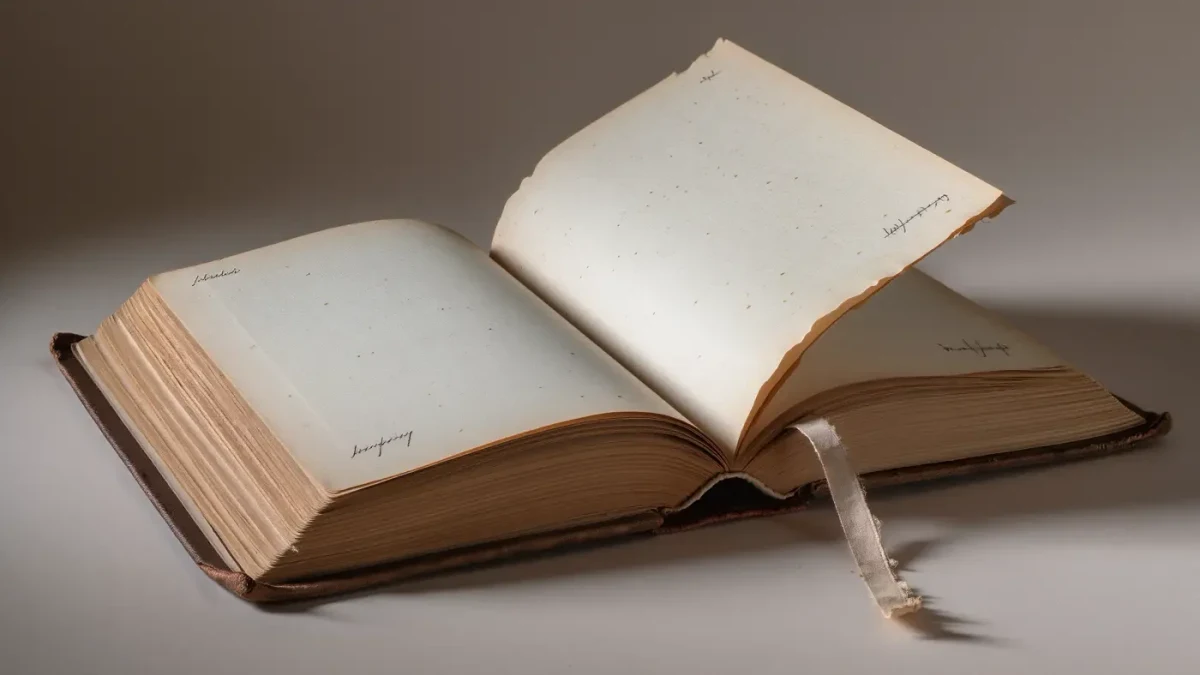
- First-mover costs. Being early is expensive and often thankless. The Bay Psalm Book and the survival record of Gutenberg Bibles both show how the price of being first is paid in scarcity and struggle.
Notice what these patterns share. Each is about structures — markets, institutions, technologies, incentives — rather than about individual personalities repeating themselves. That is the honest core of "history repeats itself": structures recur even when people do not.
Where does the myth break down?
The trouble begins when the pattern is treated as destiny. Three failure modes show up constantly.
First, cherry-picking. Any two events can be made to look alike if you ignore enough differences. The resemblance is doing the work, not the evidence. Serious comparison names the differences as carefully as the similarities — which is why Wikipedia's account of the discipline emphasizes source criticism, the practice of evaluating a source's authenticity, content, and reliability before trusting it.
Second, false prophecy. "This always leads to that" claims usually smuggle in a political conclusion. Wikipedia's overview notes that history sits in contested territory between the social sciences and the humanities, and that some schools — positivism, the Annales school, Marxism, postmodernism — carry distinct methodological commitments. A pattern announced by someone with an agenda deserves the same skepticism as any other claim with an agenda.
Third, the prophecy effect. Sometimes people act because they believe history repeats, and their acting makes the repetition happen. That is not a law of history; it is a story people tell themselves, and it can be self-fulfilling. The discipline even has a name for look-alike history that abandons evidence: Wikipedia describes pseudohistory as practices that mimic historical method to promote biased narratives lacking scholarly consensus. The line between "pattern" and "pseudohistory" is evidence, and it is a line worth guarding.
How can a reader tell a real pattern from a good story?
A few questions do most of the sorting, and none requires specialized training.
- Is the comparison specific? A real pattern names its cases, dates, and mechanisms. "This always happens" is a story; "this happened here and here, for these documented reasons" is history.
- Does it survive the differences? Ask what would count as the pattern failing. If no answer exists, you are looking at faith, not analysis.
- Who benefits from the pattern? Claims that history repeats are often claims that a particular policy, party, or purchase is inevitable. Follow the inevitable conclusion back to its beneficiary.
- Does the account engage other historians? Durable patterns are argued over in public. If nobody who studies the period agrees with the comparison, treat it as a riff.
Our analysis, for what it is worth from years of reading and writing in this field: the patterns that hold up are the boring ones. Institutions decay. Cheap formats win. Prohibition breeds smuggling. None of that makes front-page drama, but each is checkable, and each has helped us understand a new story by recognizing an old one.
What history's repetitions are actually good for
Used carefully, the study of recurrence is one of history's practical gifts. Wikipedia's discussion of the discipline's purpose notes that one long-standing view holds that understanding the past can guide present decisions — including the hope of avoiding previous mistakes — while another view treats truth about the past as valuable in itself, partly because it challenges myths lacking factual support. Both views have a place here. Recurring patterns, honestly established, are useful. Recurring patterns asserted as fate are the myth history exists to challenge.
The evidence in this piece points one way. History does not repeat itself. Situations repeat, structures repeat, mistakes repeat — when the conditions that produced them recur. The saying is a door, not a destination. Open it, and what you find is not a script but an argument, made of evidence, waiting for a careful reader. That is a pattern worth repeating.